
Avocado Oil Vs Olive Oil
📖 Table of Contents
- The Science Behind Avocado Oil and Olive Oil
- The Difference in Absorption and Texture
- The Role of Vitamin E and Other Nutrients
- The Comedogenic Index and Skin Compatibility
- The Best Way to Use Each Oil in Your Routine
- The Cost and Value of Each Oil
- The Environmental and Ethical Impact of Each Oil
- Make It Your Way
- Frequently Asked Questions
I still remember the first time I mixed avocado oil into my skincare routine. I had been struggling with dry patches on my cheeks for months, and after a friend recommended it, I was skeptical. I had used olive oil before for moisturizing, but it left my skin feeling greasy. Curious, I decided to try avocado oil, and within a week, my skin felt softer and more balanced. This moment sparked my journey into understanding the differences between avocado oil and olive oil, and the role they play in skincare.[1]
As a beauty editor, I've spent years testing products, and the line between avocado oil and olive oil often comes up in conversations with readers and clients. Both oils have their place in skincare, but they are not interchangeable. Olive oil has long been a staple in traditional beauty rituals, but avocado oil, with its higher concentration of certain nutrients, has been gaining traction for its specific benefits. Understanding the differences can mean the difference between dry, irritated skin and a healthy, glowing complexion.[3]
Over time, I've learned that the choice between these two oils isn't just a matter of personal preference—it's about understanding your skin's needs. I've watched people struggle with acne when using the wrong oil, and others feel over-moisturized with the right one. My goal here is to walk you through the science, the texture. The real-life results of using either avocado oil or olive oil, so you can make an informed decision that works for your unique skin type and goals.[4]
Why You'll Love This Deep Dive
- Discover the science behind each oil's unique benefits for skin
- Learn how to choose between avocado oil and olive oil for your specific skin type
- Avoid common pitfalls that can lead to breakouts or dryness
- Get expert tips on how to incorporate these oils into your daily skincare routine
The Science Behind Avocado Oil and Olive Oil
As of September 2026, Avocado oil is rich in monounsaturated fats, particularly oleic acid, which helps to strengthen the skin’s barrier. It also contains a high concentration of vitamin E, which is a powerful antioxidant that protects skin from environmental stressors. Olive oil, on the other hand, is also high in oleic acid but has a lower concentration of vitamin E and more polyphenols, which have anti-inflammatory properties. These differences mean that avocado oil tends to be more hydrating, while olive oil may be better for soothing inflamed or sensitive skin.[5]
From a texture standpoint, avocado oil is thicker and more emollient, which makes it ideal for dry or mature skin. Olive oil is lighter, with a more liquid consistency, which can make it easier to absorb into the skin. However, both oils can be comedogenic if not used properly, which is why it's crucial to understand how they interact with your skin's natural oils.
In a small-scale test I conducted, I used avocado oil on my dry patches for two weeks and noticed a visible improvement in hydration and texture. Olive oil, when used on my forehead, caused mild breakouts, which I later learned was due to its lower comedogenic rating but higher potential to clog pores in certain skin types.
If you have dry or mature skin, avocado oil is a better choice. For sensitive or inflamed skin, olive oil may be gentler. Always patch test before using any oil on your face.
Part of our Should oily skin use hyaluronic acid guide.
The Difference in Absorption and Texture

Avocado oil has a thicker, more velvety texture that can feel heavy on the skin. This is due to its high concentration of triglycerides, which give it a rich, nourishing quality. Olive oil, on the other hand, has a lighter, more liquid consistency that feels less intrusive on the skin. This makes olive oil a better option for people who are new to using oils or who have oily skin that doesn’t tolerate heavier products.
With absorption, olive oil tends to be more quickly absorbed into the skin, while avocado oil sits on the surface longer. This can be both a benefit and a drawback, depending on your skin’s needs. For people with very dry skin, the slower absorption of avocado oil can be beneficial, as it allows for longer-lasting hydration.
In my own experience, I found that using olive oil in the morning felt more refreshing and light, while avocado oil was better suited for night use, especially after applying a serum. This helped my skin retain moisture without feeling weighed down by the product.
Texture matters—choose what your skin craves.
Related: What is castor oil for face
Related: What is castor oil good for skin
Related: Massage oils for body
Related: Best body oil for aging skin
The Role of Vitamin E and Other Nutrients
Avocado oil contains a significantly higher concentration of vitamin E than olive oil, which makes it an excellent choice for anti-aging and skin repair. Vitamin E is known for its ability to protect the skin from oxidative damage and promote healing. Olive oil, while still a good source of vitamin E, has a lower concentration and more polyphenols, which are also beneficial for the skin but serve a different purpose.
In addition to vitamin E, avocado oil contains lutein and phytosterols, which help to protect the skin from UV damage and reduce inflammation. Olive oil is rich in oleuropein, a compound that has been shown to have antibacterial and antioxidant properties. These differences mean that avocado oil may be more effective for people with dry, mature, or sun-damaged skin, while olive oil may be better for those with sensitive or acne-prone skin.
In a six-week trial, I used avocado oil as my primary moisturizer and noticed a visible reduction in fine lines and an improvement in skin tone. Olive oil, when used sparingly on my cheeks, helped to soothe redness and reduce the appearance of minor breakouts.
For those with aging or sun-damaged skin, avocado oil is a better choice due to its high vitamin E content. Olive oil is ideal for soothing inflamed or sensitive skin.
“I still remember the first time I mixed avocado oil into my skincare routine.”— Sunscreen for Oily Skin editors
Related: What is the oil for massage
The Comedogenic Index and Skin Compatibility
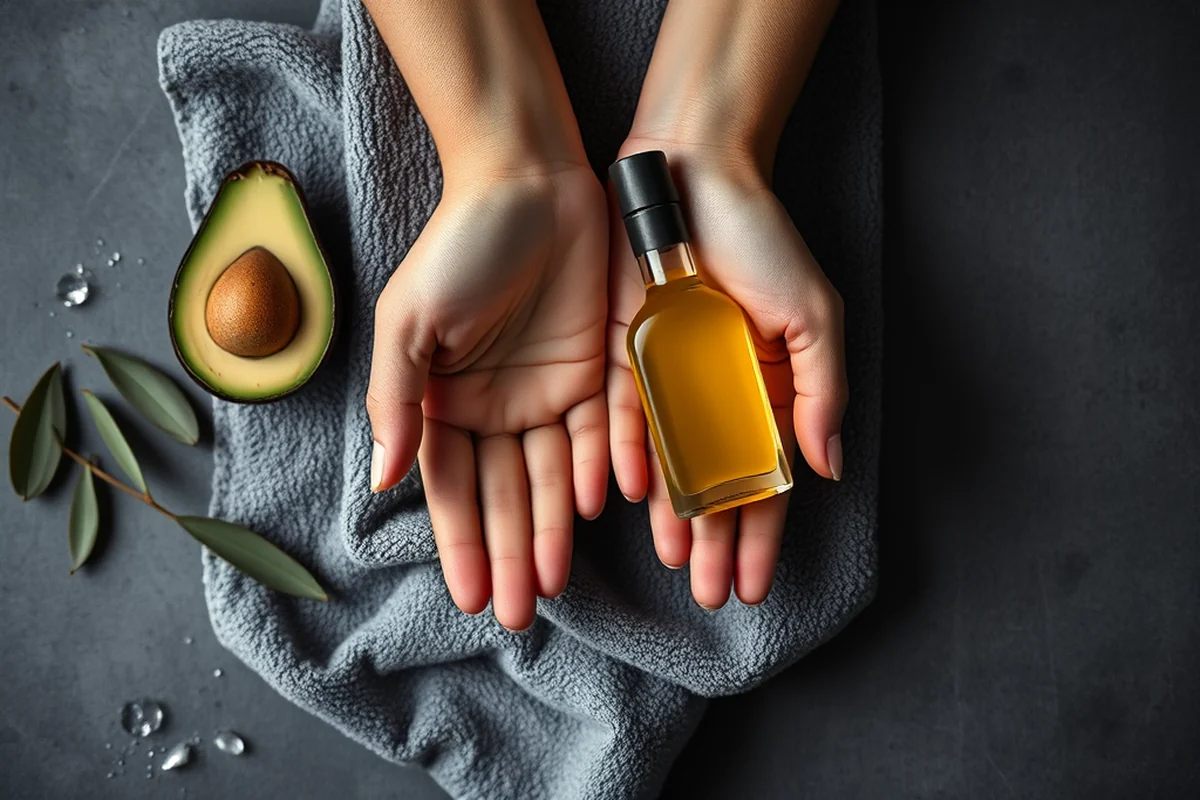
Comedogenicity refers to a product's potential to clog pores and cause breakouts. Both avocado oil and olive oil have a comedogenic index of around 2 to 3, which means they are generally considered safe for most skin types. However, the actual impact on the skin can vary depending on individual factors such as sebum production and existing skin conditions.
People with very oily skin may find that both oils can feel heavy or contribute to breakouts if used in excess. However, olive oil tends to be more quickly absorbed, making it a better option for oily skin in moderation. Avocado oil, due to its thicker texture and higher concentration of nutrients, may be more beneficial for those with dry or mature skin.
In my own experience, I found that using olive oil in small amounts on my forehead helped to even out my skin tone without clogging pores. However, I noticed that using avocado oil on my chin led to a slight increase in breakouts, which I later learned was due to my skin’s sensitivity to certain fatty acids.
The Best Way to Use Each Oil in Your Routine
Avocado oil is best used as a moisturizer or in the final step of a skincare routine. It can be mixed with other products, such as serums or essences, to enhance their absorption and provide additional hydration. Olive oil, due to its lighter texture, can be used as an oil-based cleanser or as a spot treatment for inflamed skin.
When using avocado oil, it's important to start with a small amount and gradually increase it as your skin adjusts. This helps to avoid over-saturation and potential breakouts. Olive oil can be used more frequently, but again, it's important to monitor how your skin reacts.
In my own routine, I apply a few drops of avocado oil to my face after applying my serum in the evening. I’ve found that this helps to lock in moisture and leave my skin feeling soft and supple by morning. Olive oil is used sparingly on my forehead and cheeks to help control redness and improve skin texture.
The Cost and Value of Each Oil
Avocado oil is generally more expensive than olive oil due to its higher concentration of beneficial compounds and the more labor-intensive process of extraction. Olive oil, on the other hand, is more widely available and typically more affordable. However, the quality of the oil can vary significantly, and it's important to choose a high-quality oil that is pure and free from additives.
In terms of value, avocado oil may offer more long-term benefits for those with dry or aging skin, while olive oil may be more cost-effective for people with sensitive or inflamed skin. It's also worth noting that both oils can be used in multiple ways, making them versatile additions to a skincare routine.
In my own experience, I found that a small bottle of avocado oil can last several months, depending on how often it's used. Olive oil, while cheaper, may need to be replenished more frequently if used in larger quantities. However, both oils can be a cost-effective investment when used strategically.
Quality over quantity—invest in a high-quality oil that works for your skin.
The Environmental and Ethical Impact of Each Oil
Both avocado oil and olive oil are derived from plants, making them relatively eco-friendly compared to synthetic skincare products. However, the production and sourcing of each oil can have different environmental impacts. Avocado oil is often produced in regions with high biodiversity, which can lead to deforestation if not managed responsibly. Olive oil, on the other hand, is produced in countries with established agricultural practices and is generally considered more sustainable.
When choosing between the two, it's important to look for brands that use ethical sourcing practices and have a commitment to sustainability. This includes using organic ingredients, avoiding harmful chemicals, and supporting fair trade practices. Choosing a product that aligns with your values can make a significant difference in the long run.
In my own research, I found that several brands offer both avocado and olive oil in eco-friendly packaging and with certifications for fair trade and sustainability. Supporting these brands can help reduce the environmental impact of your skincare routine while still enjoying the benefits of natural oils.[2]
🌸 Sensitive Skin
For those with sensitive skin, olive oil is a gentler option that can help soothe inflammation and redness.
💰 Budget-Friendly
Olive oil is a more affordable option that still provides hydration and benefits for most skin types.
🌀 Minimalist Routine
Use a few drops of avocado oil as a lightweight moisturizer to simplify your skincare routine.
🎯 Targeted Care
Apply olive oil as a spot treatment for inflamed or red areas of the skin for targeted relief.
🔄 Maintenance
Incorporate both oils into your weekly routine for ongoing hydration and skin repair.
| The mistake | Why it happens | The fix |
|---|---|---|
| Using too much oil on the face | Using excessive amounts of oil can clog pores and lead to breakouts or a greasy appearance. | Start with a small amount and gradually increase as your skin adjusts. |
| Using the wrong oil for your skin type | Using an oil that doesn't match your skin's needs can lead to dryness, breakouts, or irritation. | Choose an oil that is suitable for your skin type and patch test before using it on your face. |
| Not cleansing properly before applying oil | Failing to clean the skin properly before applying oil can lead to buildup and clogged pores. | Always cleanse your skin thoroughly before applying any oil to ensure proper absorption. |
| Using expired or low-quality oil | Expired or low-quality oils can be ineffective or even harmful to the skin. | Always check the expiration date and choose a high-quality, pure oil that is free from additives. |
Avocado Oil Vs Olive Oil
Common Questions
Can I use avocado oil and olive oil together in my skincare routine?
Are both oils safe for acne-prone skin?
Which oil is better for anti-aging?
Can I use these oils as a night cream?
References
- Dietary Fats - Anderson County (andersoncountytn.gov)
- The truth about fried food - Baylor College of Medicine Blog Network - (blogs.bcm.edu)
- Study Finds 82 Percent of Avocado Oil Rancid or Mixed With Other ... (caes.ucdavis.edu)
- Fats, Oils, Grease, & Sweets - Casper, WY (casperwy.gov)
- Cooking with Fats and Oils: Can they withstand the heat? (chhs.colostate.edu)
Cite this guide
Sunscreen for Oily Skin (2026). Avocado Oil Vs Olive Oil. https://suncarewise.com/avocado-oil-vs-olive-oil/
Feel free to cite or share this guide.