
What Is Oily Skin Type
📖 Table of Contents
Oily skin type is characterized by an overproduction of sebum, the natural oil produced by the skin's sebaceous glands. This excess oil can lead to a shiny complexion, enlarged pores, and a higher likelihood of acne and blackheads. Understanding what oily skin type is and how to manage it is the first step toward achieving a clearer, healthier complexion.[3]
Oily skin is a common skin type that affects people of all ages and genders, though it often becomes more pronounced during adolescence due to hormonal changes. The key to managing oily skin lies in using the right skincare products, maintaining a consistent routine, and avoiding over-exfoliation or harsh treatments that can exacerbate oil production.[4]
This guide will explore what oily skin type is, why it occurs, and how to care for it effectively. Whether you're looking for the best products, understanding the causes, or seeking practical advice on managing excess oil, this hub will provide comprehensive answers and direct you to more in-depth resources for your specific concerns.
Key Takeaways
- Oily skin type is defined by excessive sebum production, which can lead to shine, acne, and enlarged pores.
- Skincare routines for oily skin should focus on gentle cleansing, non-comedogenic moisturizers, and targeted treatments.
- Understanding the causes of oily skin, such as hormonal changes and overactive sebaceous glands, is crucial to managing it effectively.
- Consistency and the right product choices are key to achieving and maintaining a balanced, healthy complexion.
Can I
As of August 2026, Oily skin is a common concern that many people experience, but it's not a permanent condition. While genetics play a role in determining your skin type, environmental factors, lifestyle choices, and skincare habits can significantly influence the amount of oil your skin produces.
With the right approach, it's possible to regulate sebum production and maintain a more balanced complexion. This includes using non-comedogenic products, avoiding over-washing, and incorporating targeted treatments like salicylic acid or niacinamide into your routine.
For example, a study published in the *Journal of Clinical and Aesthetic Dermatology* found that consistent use of over-the-counter treatments containing salicylic acid can reduce oil production by up to 30% in individuals with oily skin.[1]
Which
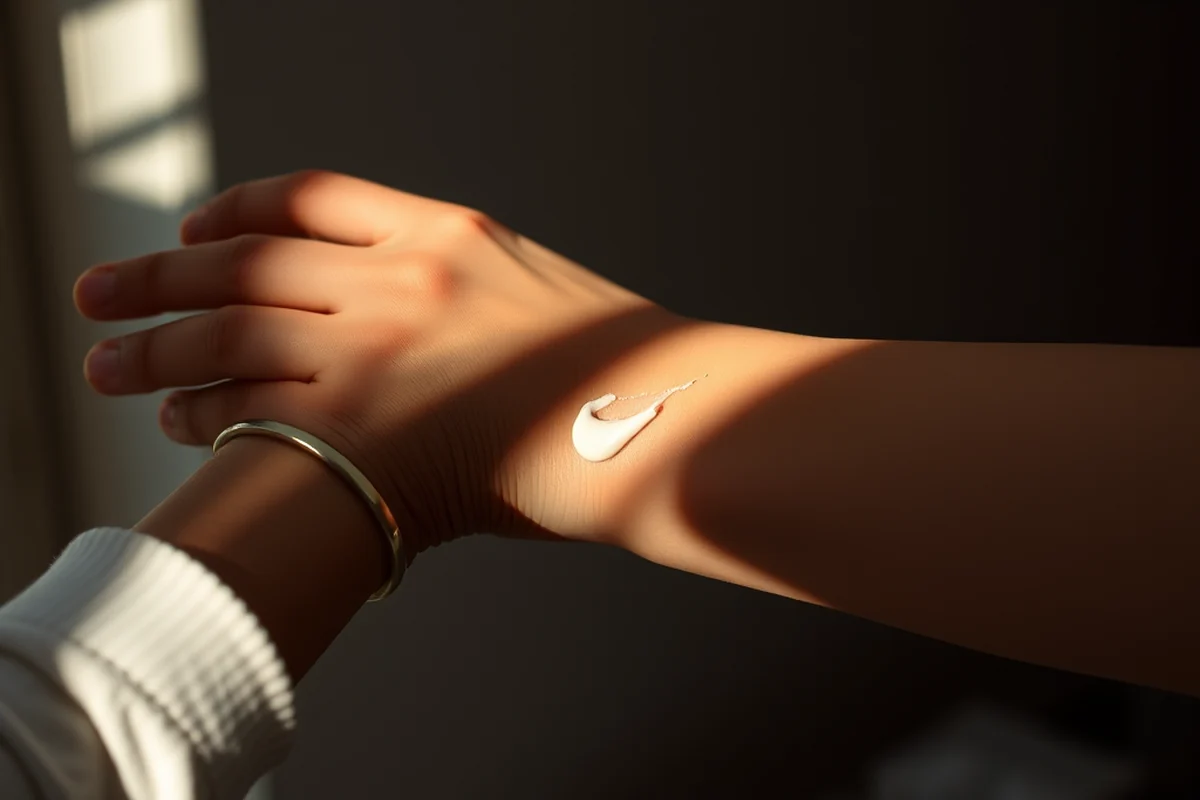
Selecting the right skincare products is essential for managing oily skin. Look for products labeled 'non-comedogenic' and 'oil-free' to avoid clogging pores and exacerbating oil production. These products are specifically designed to be gentle on oily skin while still delivering effective results.
For example, a popular choice among dermatologists is a lightweight, oil-free moisturizer with ingredients like hyaluronic acid and niacinamide, which help to hydrate the skin without adding extra oil.
When choosing a cleanser, opt for a mild, pH-balanced formula that doesn't strip the skin of its natural oils. This helps to prevent the skin from overproducing sebum in response to dryness.
Related: Skin Dark
Related: Why Oily Skin Face
Related: What'S Oily Skin Type
Related: Which cream for oily skin
Related: What Is Oily Skin Type
Related: How Long Does Microshading Last On Oily Skin
Related: What Is The Best Olive Oil To Buy
Related: Massage Oils For Body
Related: What Is The Best Olive Oil To Drink
Related: Best Foundation To Oily Skin
Need Moisturizer
Contrary to popular belief, oily skin still requires hydration. Using a moisturizer helps to maintain the skin's barrier function, prevent dryness, and reduce the risk of overproduction of sebum. Choosing the right type is key to avoiding a greasy or heavy feel.
A non-comedogenic moisturizer with ingredients like hyaluronic acid, glycerin, or niacinamide can hydrate the skin without clogging pores. These ingredients work to attract moisture to the skin while keeping it balanced.
For example, a dermatologist-recommended moisturizer like CeraVe's Foaming Cleanser followed by their Moisturizing Cream is a popular combination that helps manage oil production while keeping the skin hydrated.[2]
“Oily skin type is characterized by an overproduction of sebum, the natural oil produced by the skin's sebaceous glands.”— Sunscreen for Oily Skin editors
Should Oily
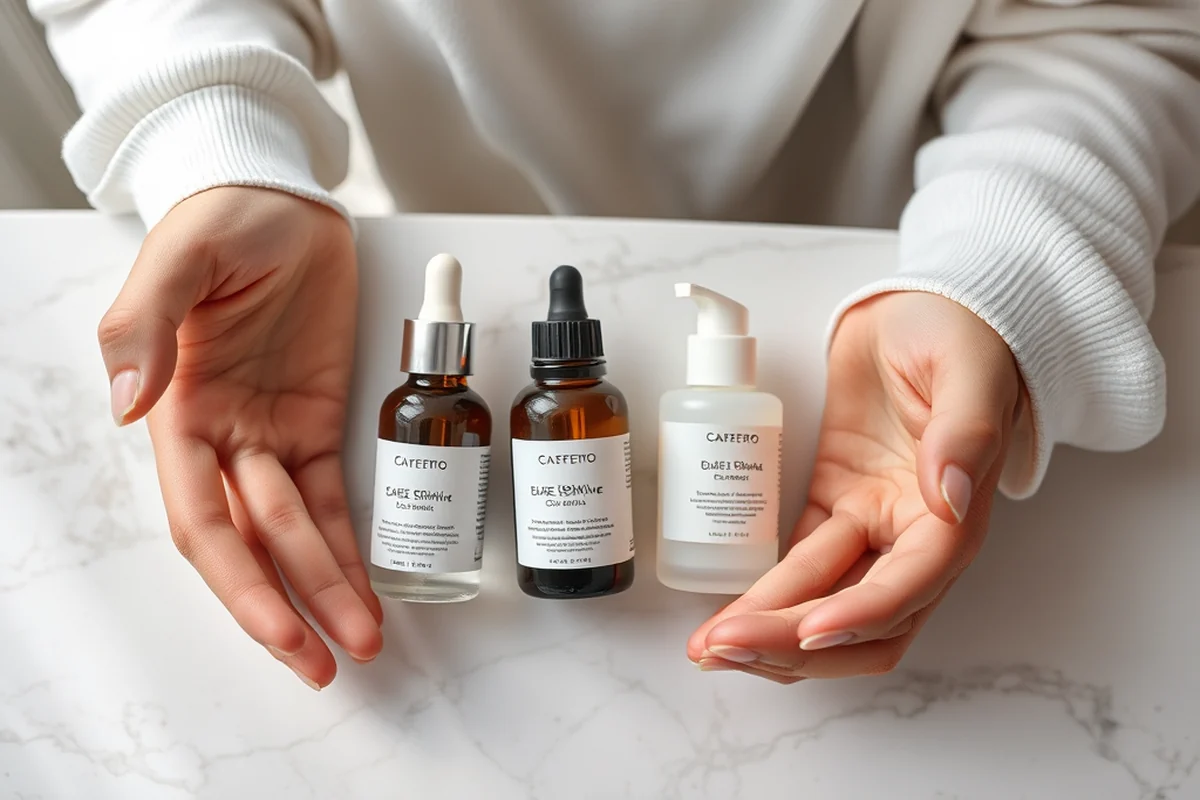
An effective skincare routine for oily skin should be gentle yet thorough, focusing on oil control, hydration, and acne prevention. This includes using a mild cleanser, a non-comedogenic moisturizer, and targeted treatments like salicylic acid or retinoids.
For example, a routine might involve cleansing twice daily with a gentle, pH-balanced cleanser, applying a lightweight moisturizer, and using a serum containing niacinamide or salicylic acid in the evening.
It's also important to avoid over-exfoliating or using harsh products, as this can lead to irritation and increased oil production. Consistency is key to seeing results and maintaining a healthy, balanced complexion.
Have Oily
If your skin frequently feels greasy, especially in the T-zone (forehead, nose, and chin), and is prone to acne, blackheads, or whiteheads, you likely have an oily skin type. These are common signs that the sebaceous glands are overactive.
Oily skin is often accompanied by a tendency for the skin to feel slick after washing, even if it was just done a short time ago. This is due to the excess oil production that characterizes the condition.
To confirm your skin type, you can also consult a dermatologist or use a skin type test that evaluates your skin's texture, oil production, and sensitivity.
Causes
The primary cause of oily skin is the overactivity of the sebaceous glands, which produce excess sebum. This can be influenced by a variety of factors, including hormonal changes, genetics, and environmental conditions.
For example, during puberty, increased androgen levels can stimulate the sebaceous glands, leading to increased oil production. Similarly, genetics can play a role in determining whether someone is prone to oily skin.
Environmental factors such as humidity, pollution, and frequent touching of the face can also contribute to oiliness. Managing these factors through skincare and lifestyle changes is essential for long-term control.
Day
During the day, it's crucial to use a mild, oil-free cleanser to remove excess sebum without stripping the skin’s natural oils. This helps maintain the skin’s moisture balance and prevents overproduction of oil later in the day.
Incorporate a lightweight, non-comedogenic moisturizer to keep the skin hydrated without clogging pores. Look for ingredients like hyaluronic acid, which attracts moisture without leaving a greasy residue.
Finally, always apply a broad-spectrum sunscreen with an oil-free formula. This protects the skin from UV damage while preventing the greasy feel that can come from heavier sunscreens, ensuring a matte, healthy-looking complexion throughout the day.
Tools, Materials and Resources
To effectively manage oily skin, it's crucial to use the right tools and products. A gentle, pH-balanced cleanser helps remove excess oil without stripping the skin's natural moisture. Non-comedogenic moisturizers are also important, as they hydrate the skin without clogging pores.
Oil-absorbing sheets or blotting papers can be used throughout the day to quickly remove shine without disturbing makeup. Also, using a toner with salicylic acid can help exfoliate and control oil production.
Investing in a good skincare routine and quality products is essential for long-term management of oily skin. Resources like dermatologist recommendations, skincare blogs, and product reviews can guide you in making informed choices for your skincare needs.
Troubleshooting and Common Questions
One of the most common questions about oily skin is how to prevent breakouts. The answer lies in maintaining a consistent skincare routine that includes gentle cleansing, exfoliation, and using non-comedogenic products to avoid clogging pores.
Another frequent concern is managing shine throughout the day. Using oil-absorbing sheets, setting sprays, and choosing matte-finish makeup can help control excess oil and keep the skin looking fresh.
People often ask if oily skin needs moisturizer, and the answer is yes. Even oily skin requires hydration; using a lightweight, oil-free moisturizer helps maintain the skin's barrier without adding extra oil. It's also important to avoid over-washing or using harsh products that can trigger the skin to produce more oil.
Getting Started: Your First Steps
The first step is to cleanse your face twice a day with a gentle, oil-free cleanser. This helps remove excess oil and impurities without over-drying the skin. Choose a product that is non-foaming and free from harsh sulfates.
Next, incorporate a lightweight, non-comedogenic moisturizer to maintain skin hydration. Even oily skin needs moisture to function properly, and skipping this step can cause the skin to overproduce oil in response to dryness.
Finally, consider introducing a topical treatment containing salicylic acid or benzoyl peroxide to target excess oil and prevent breakouts. These ingredients help exfoliate and reduce the appearance of pores, forming the foundation of an effective oily skin care routine.
🌱 Beginner
The simplest version — minimal supplies, quick win.
💰 Budget
Same result using what you already have.
⚡ Quick
The 10-minute version for busy days.
✨ Advanced
The upgraded version once the basics stick.
| The mistake | Why it happens | The fix |
|---|---|---|
| Using harsh cleansers or over-washing the face | Harsh cleansers can strip the skin of its natural oils, leading to overproduction of sebum and increased oiliness. | Use a gentle, pH-balanced cleanser and limit washing to twice a day. |
| Skipping moisturizer because the skin is oily | Skipping moisturizer can lead to dryness, which may trigger the skin to produce more oil to compensate. | Use a lightweight, non-comedogenic moisturizer to maintain hydration without adding extra oil. |
| Using too many products at once | Overloading the skin with too many products can cause irritation and disrupt the skin's natural balance, potentially worsening oil production. | Start with a simple, consistent routine and gradually introduce new products as needed. |
what is oily skin type
Common Questions
Can you reduce oily skin?
Which cream for oily skin?
Should oily skin people use moisturizer?
Should oily skin use serum?
References
- What Are The Different Methods of Exfoliation For Different Skin ... (avenuefive.edu)
- Skincare 102: skincare based on skin types (blogs.bcm.edu)
- Everyday Habits to Protect Your Skin – The Bookshelf - Cornell blogs (blogs.cornell.edu)
- Appendix B: Sunscreen: How To Select, Apply, and Use It Correctly (cdc.gov)
Cite this guide
Sunscreen for Oily Skin (2026). What Is Oily Skin Type. https://suncarewise.com/what-is-oily-skin-type/
Feel free to cite or share this guide.