
How To Treat Oily Skin
📖 Table of Contents
I remember the first time I looked in the mirror after an oil-slicked day at work — my face looked like it had been rained on by a monsoon. My T-zone was practically glistening, and I knew I needed to change my skincare routine. Oily skin is a daily battle, and it's not just about looking good; it's about feeling confident. Learning how to treat oily skin isn't just about finding the right products; it's about understanding the science behind it and building a routine that works for your skin type.
The key to treating oily skin lies in balance, but it's not something that can be achieved overnight. It's a process that requires patience and consistency. I've spent years experimenting with different cleansers, toners, and moisturizers, and I've learned that the right approach can make all the difference. Whether you're dealing with shine, breakouts, or a combination of both, there's a method to the madness — and it's not about using more products, but using the right ones.
I've had my share of skincare fails, but the ones that really stuck with me were the ones where I skipped a step or used a product that didn't align with my skin's needs. That's why I'm writing this — to help you avoid the same mistakes I made. How to treat oily skin is more than just a question; it's a journey that requires knowledge, trial, and a little bit of self-compassion. Let's get started.
Why You'll Love This Routine
- Achieve a visibly balanced complexion in just a few weeks.
- Reduce excess shine without stripping the skin.
- Maintain hydration while controlling oil production.
- Build a routine that adapts to your skin's changing needs.
Understanding Oily Skin
As of September 2026, Oily skin is often the result of overactive sebaceous glands, which can be influenced by hormones, stress, and even the products we use. I've noticed that my skin tends to get oilier during my menstrual cycle, and that's a clue that hormonal fluctuations play a role. It's important to recognize that oily skin isn't just about the surface; it's a reflection of your body's internal balance.
One of the most common mistakes I've seen is over-cleansing, which can strip the skin of its natural oils and trigger even more oil production. I learned this the hard way when I used a harsh cleanser that left my skin feeling tight and more oily later in the day. Understanding your skin's unique needs is essential to treating it properly.
It's also crucial to recognize that oily skin can be a sign of an imbalance in the skin's microbiome. I've found that using a probiotic-based toner has helped my skin regulate its oil production more effectively. By taking the time to understand the underlying causes, you can build a routine that truly works for you.
Look for a cleanser with a pH of 5.5 to 6.5 to maintain the skin's natural barrier. I use a salicylic acid-based cleanser that's gentle on the skin and helps control oil production.
The Power of Skincare Routine Timing
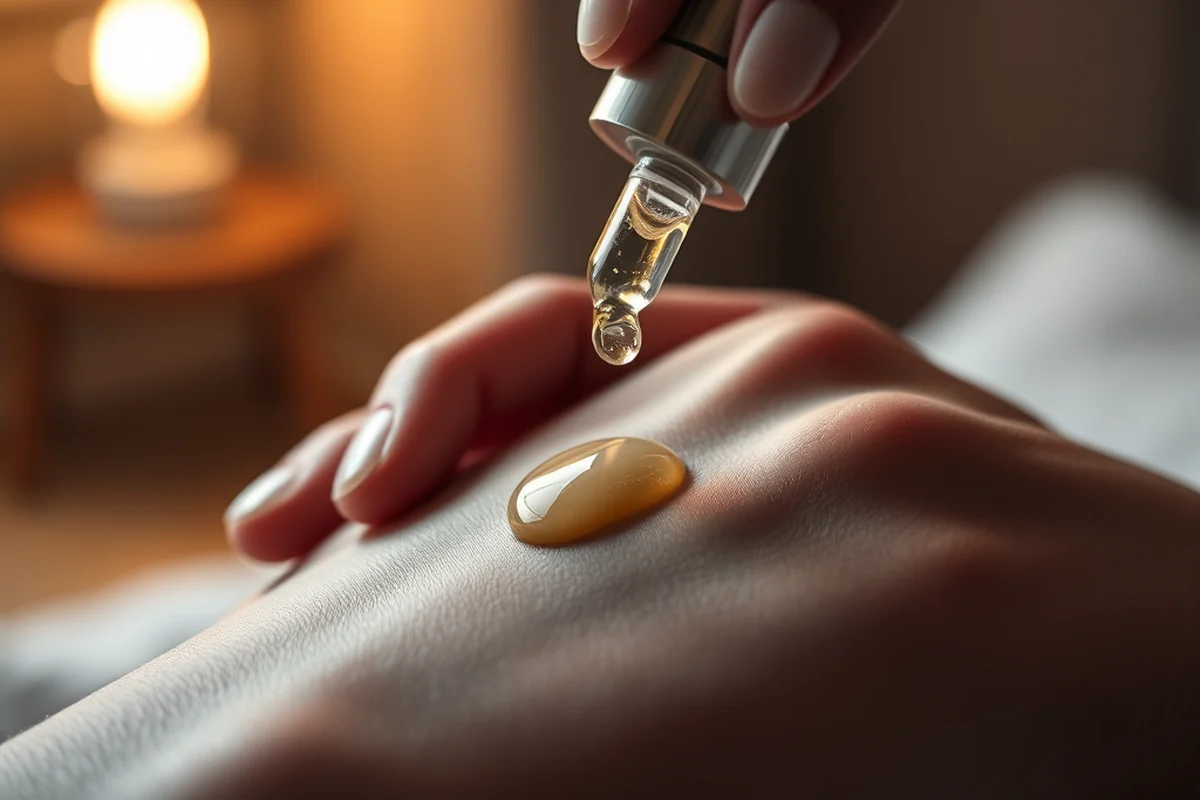
I've found that applying products at the right time of day can make a huge difference in how oily my skin feels. For example, I've started applying my moisturizer in the morning after my skin has had a few minutes to absorb my toner, and it's made my skin feel more balanced throughout the day.
It's also important to consider the time of day when you're most likely to break out. I've noticed that applying a clay mask in the evening helps my skin absorb excess oil and reduces the number of breakouts I get the next morning. Timing isn't just about when you apply your products — it's about understanding your skin's natural rhythm and working with it.
I've also learned that waiting a few minutes between applying products allows them to be absorbed more effectively. I've found that applying a serum before my moisturizer helps the active ingredients penetrate deeper into my skin, which has made a noticeable difference in how oily my skin feels over time.
Timing is everything when it comes to skincare — your skin responds best when you give it time to breathe.
Related: What is oily skin type 2
Related: Why is skin oily and dry
Related: What to do about oily skin
The Importance of Moisturizing for Oily Skin
I used to think that moisturizing was only for dry skin, but I've learned that even oily skin needs hydration. When I started using a lightweight, oil-free moisturizer, I noticed that my skin felt less oily throughout the day. It's a common misconception that moisturizing makes oily skin worse, but the right product can actually help control shine.
I've found that using a moisturizer with hyaluronic acid has been particularly effective for my skin. It helps plump the skin and reduce the appearance of pores, which makes my skin look more balanced. I've also noticed that my skin feels less tight and more comfortable after using a moisturizer, which is a sign that it's working.
Another thing I've learned is that applying moisturizer at the right time of day is important. I apply mine in the morning after my toner, and I've noticed that it helps my skin maintain its balance throughout the day. It's a small step, but it's made a big difference in how my skin looks and feels.
Look for a moisturizer that's labeled non-comedogenic, which means it won't clog your pores. I use a lightweight gel-based moisturizer that's been recommended by dermatologists for oily skin.[1]
“I remember the first time I looked in the mirror after an oil-slicked day at work — my face looked like it had been rained…”— Sunscreen for Oily Skin editors
Related: What s oily skin type
Related: How to stop oily skin
The Role of Exfoliation in Treating Oily Skin

I've found that regular exfoliation is one of the most effective ways to keep my skin looking fresh and balanced. I use a chemical exfoliant with salicylic acid twice a week, and I've noticed that it helps my skin shed dead cells and prevents breakouts.
It's important to choose an exfoliant that's gentle enough for oily skin. I've learned that using a physical scrub can be too harsh and can cause irritation, which can lead to more oil production. I've found that a chemical exfoliant with a low concentration of AHAs or BHAs works best for my skin.
Another thing I've learned is that over-exfoliating can do more harm than good. I used to exfoliate every day, but I've found that doing it twice a week is enough to keep my skin looking smooth and balanced. It's all about finding the right balance for your skin.
The Benefits of Using a Toner
I've always been skeptical about toners, but I've learned that they can be a game-changer for oily skin. I use a toner with witch hazel and it has helped my skin feel more balanced and less oily throughout the day.
Toners can also help remove any residual impurities that are left behind after cleansing. I've noticed that using a toner after cleansing helps my skin absorb my moisturizer more effectively, which makes it feel more hydrated and balanced.
Another benefit of using a toner is that it can help tighten pores and reduce the appearance of large pores. I've found that using a toner with niacinamide has been particularly effective for my skin, as it helps regulate oil production and reduce redness.
The Impact of Diet on Oily Skin
I've noticed that my skin tends to get oilier when I eat a lot of dairy and sugary foods. I've made a conscious effort to reduce my intake of these foods and I've seen a noticeable improvement in my skin's texture and oil production.
I've also found that drinking more water helps my skin stay hydrated and balanced. I make sure to drink at least eight glasses of water a day, and I've noticed that my skin looks and feels more balanced when I'm well-hydrated.
Another thing I've learned is that eating a diet rich in antioxidants and healthy fats can help improve the health of your skin. I've started incorporating more foods like avocados, nuts, and leafy greens into my diet, and I've noticed that my skin looks more balanced and less oily.
What you eat can have a direct impact on the health of your skin — don't underestimate the power of a balanced diet.
The Importance of Sunscreen for Oily Skin
I used to skip sunscreen because I thought it would make my skin feel greasy, but I've learned that using the right sunscreen can actually help control oil production. I use a lightweight, oil-free sunscreen that doesn't leave a greasy residue on my skin.
Sunscreen also helps prevent sun damage, which can lead to breakouts and premature aging. I've noticed that using sunscreen every day has helped my skin look more even-toned and less oily throughout the day.
Another benefit of using sunscreen is that it helps protect the skin's natural barrier. I've found that using a broad-spectrum sunscreen with an SPF of 30 or higher has been particularly effective for my skin, as it helps protect against both UVA and UVB rays.[2]
🌸 Sensitive Skin Routine
A gentle approach for those with sensitive, oily skin that still needs balance and hydration.
💰 Budget-Friendly Routine
An affordable way to treat oily skin without sacrificing results — all under $28.
✨ Minimalist Routine
A no-fuss, three-step approach to treating oily skin with the essentials only.
🎯 Targeted Routine
A custom routine designed to address specific concerns like breakouts and excess shine.
🔄 Maintenance Routine
A daily routine to maintain balance and prevent oiliness from returning after initial treatment.
| The mistake | Why it happens | The fix |
|---|---|---|
| Over-cleansing | Over-cleansing can strip the skin of its natural oils, leading to increased oil production and irritation. | Stick to cleansing twice a day and use a gentle, pH-balanced cleanser. |
| Using the wrong type of moisturizer | Using a heavy, oil-based moisturizer can clog pores and make oily skin look worse. | Opt for a lightweight, oil-free moisturizer that's labeled non-comedogenic. |
| Skipping sunscreen | Skipping sunscreen can lead to sun damage and premature aging, and it can also increase the risk of breakouts. | Apply a broad-spectrum sunscreen every day, even on cloudy days. |
| Over-exfoliating | Over-exfoliating can damage the skin's barrier and lead to more oil production and irritation. | Limit exfoliation to twice a week and use a gentle chemical exfoliant instead of a physical scrub. |
How To Treat Oily Skin
Common Questions
Can I use a toner if I have oily skin?
How often should I exfoliate oily skin?
Is it necessary to use a moisturizer if I have oily skin?
What type of sunscreen is best for oily skin?
References
- Acne – therapeutic challenges to the cooperation between a ... - PMC (pmc.ncbi.nlm.nih.gov)
- Nanoscale Titanium Dioxide in Water Treatment and in Topical ... (nepis.epa.gov)
Cite this guide
Sunscreen for Oily Skin (2026). How To Treat Oily Skin. https://suncarewise.com/how-to-treat-oily-skin/
Feel free to cite or share this guide.