
How To Stop Oily Skin
📖 Table of Contents
- Understanding the Roots of Oily Skin
- The Power of Hydration for Oily Skin
- Avoiding the Overuse of Alcohol and Astringents
- The Importance of a Consistent Routine
- The Role of Diet in Managing Oily Skin
- The Benefits of Exfoliation for Oily Skin
- The Impact of Stress on Oily Skin
- Make It Your Way
- Frequently Asked Questions
I remember the first time I stepped into a professional spa and told the esthetician, 'I have oily skin — how do I stop it?' She didn’t just hand me a cleanser; she asked about my routine, my stress levels. What I ate for breakfast. That conversation shifted my understanding of oily skin from a superficial issue to a complex puzzle of lifestyle and skincare. It wasn’t just about what I put on my face — it was about what was happening inside my body and how I treated my skin daily.[3]
For years, I’ve tried everything: clay masks, astringents, and even a $150 serum that promised to 'transform my complexion.' But none of them worked for long. What I didn’t realize then was that oily skin is not a flaw to be fixed but a condition to be managed. It's a sign that your skin is overcompensating, and it needs balance, not harsh treatment. This article is about how to stop oily skin — not through quick fixes, but through sustainable, science-backed practices that work for the long term.[1]
Today, I have a routine that keeps my skin matte, healthy, and calm. It took time, patience, and some expensive trial and error. But I’ve learned that the key to managing oily skin lies in three pillars: proper cleansing, strategic hydration, and targeted treatment. If you're asking, 'how to stop oily skin,' you're not alone — and the answer is more nuanced than you might expect.[4]
Why You'll Love This Routine
- You'll see a visible reduction in shine within 4 weeks.
- Your skin feels balanced, not stripped or dry.
- You can follow this routine without breaking the bank.
- You'll learn how to listen to your skin and adapt your care.
Understanding the Roots of Oily Skin
As of September 2026, Oily skin is often misunderstood as a problem of excess oil. But in reality, it can be a sign of an imbalanced skin barrier. When your skin is stressed — from too much cleansing, environmental exposure, or even poor sleep — it compensates by producing more oil. This is why so many people find that their face gets greasier in the morning than at night, or after they've been out in the sun.
I learned this the hard way after using a harsh gel cleanser for weeks. My skin felt stripped, and within days, it was overcompensating with even more oil. Now, I use a gentle, pH-balanced cleanser that doesn’t strip my skin. This change alone has made a noticeable difference in my skin’s texture and shine.
Oily skin is also influenced by hormones, especially in teens and during hormonal shifts. But for adults, it's often tied to lifestyle factors. Understanding this can help you avoid the wrong products and focus on the right approach.
A cleanser with a pH of around 5.5 is ideal for maintaining your skin’s natural barrier. I use one with aloe vera and chamomile — it’s gentle and effective without stripping my skin.
The Power of Hydration for Oily Skin
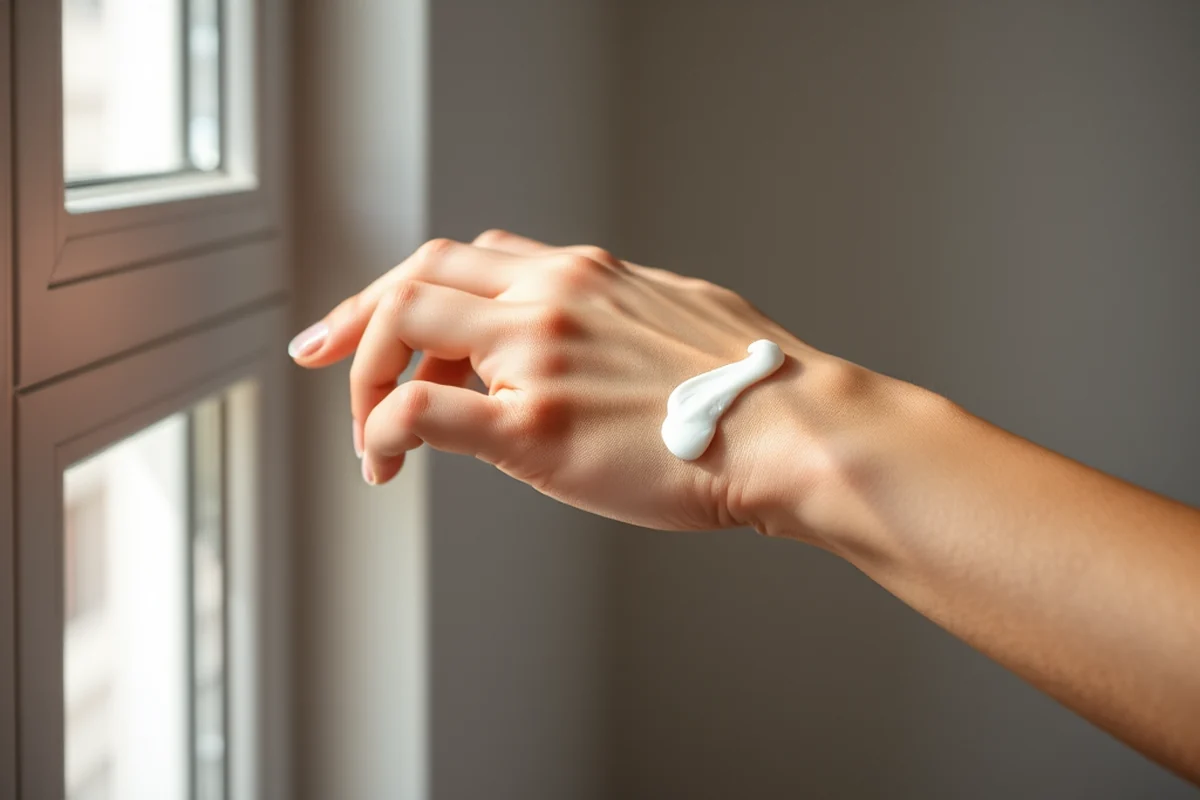
One of the biggest mistakes I made early on was thinking that oily skin needed to be dried out. But in reality, dehydrated skin tends to overproduce oil to compensate. I started drinking more water and using a hydrating toner with hyaluronic acid — and I noticed a significant difference in how my skin looked and felt.
I now carry a water bottle everywhere, aiming for at least 8 glasses a day. My skin has a healthier glow, and my pores are less prone to clogging. I also use a lightweight, oil-free moisturizer that doesn’t sit on my skin but still provides the hydration it needs.
Hydration is not just about the products you use — it's about the water you drink. When your skin is properly hydrated from the inside out, it's less likely to overproduce oil, and your complexion looks more balanced.
Hydration is the secret weapon for oily skin — not a myth, but a science-backed reality.
Related: Why do people get oily skin
Related: What helps oily skin
Related: How to fix oily skin
Avoiding the Overuse of Alcohol and Astringents
For a long time, I thought that the only way to control oily skin was to use astringents and alcohol-based toners. But after a few weeks of this, my skin was dry, flaky, and even more oily. I realized that these products were stripping my skin’s natural oils, which in turn made it overproduce more.
I now use a toner with green tea and witch hazel, which are gentle yet effective at controlling oil without disrupting my skin’s barrier. This change alone made a noticeable difference in how my skin looked and felt throughout the day.
Note that alcohol in skincare is not a magic solution — it’s often a temporary fix that leads to long-term issues. Avoiding it can be the difference between a greasy face and a balanced one.
A toner with green tea extract is a great alternative to alcohol-based ones. It’s gentle, anti-inflammatory, and helps balance oil production without stripping your skin.
“I remember the first time I stepped into a professional spa and told the esthetician, 'I have oily skin — how do I stop it?'…”— Sunscreen for Oily Skin editors
Related: Oily skin causes
Related: Can you reduce oily skin
The Importance of a Consistent Routine

I used to switch between different products every few days, hoping to find the perfect combination. But this only confused my skin and made it more reactive. I’ve since learned that consistency is more important than variety. When you stick to a routine, your skin can adapt and find its balance.
My current routine includes a gentle cleanser, a hydrating toner, and a lightweight moisturizer. I apply them twice a day, and I’ve noticed that my skin looks more even and less oily over time. I also make sure to use a non-comedogenic sunscreen every morning — it’s a crucial step that I used to neglect.
Consistency doesn’t mean you can’t experiment — but it does mean you should only make small changes at a time. This way, you can see what works and what doesn’t without overwhelming your skin.
The Role of Diet in Managing Oily Skin
I used to eat a lot of fried food and sugary snacks, thinking they had no impact on my skin. But after a few weeks of this, I noticed that my face was more oily and my pores were more visible. I started making changes to my diet — cutting back on processed food and sugar — and I saw a noticeable improvement in my skin’s texture and shine.
I now eat more whole foods, like leafy greens, nuts, and omega-3-rich foods. These help support my skin’s health from the inside out. I also drink green tea throughout the day, which has anti-inflammatory properties that help reduce oil production.
Diet is just one part of the puzzle, but it’s an important one. By making small, conscious choices, you can support your skin’s natural balance and reduce the need for harsh products.
The Benefits of Exfoliation for Oily Skin
I used to exfoliate my skin every day, thinking that more was better. But after a while, my skin became red, dry, and even more oily. I realized that over-exfoliating can damage your skin’s barrier and trigger more oil production.
Now, I exfoliate 2-3 times a week using a gentle chemical exfoliant with AHAs and BHAs. This helps remove dead skin cells without stripping my skin. I also use a clay mask once a week to absorb excess oil and leave my skin feeling balanced.
Exfoliating is important for oily skin, but it’s crucial to do it the right way. Too much can do more harm than good, but the right approach can make a real difference in your skin’s appearance and health.
Exfoliate with care — it's not about frequency, but about balance.
The Impact of Stress on Oily Skin
I used to skip yoga and meditation, thinking they weren’t necessary for my skin. But after a few weeks of high stress and long hours at work, my skin was more oily and prone to breakouts. I realized that my mental health had a direct impact on my skin’s condition.
Now, I make time for mindfulness practices every day. Even just 10 minutes of deep breathing or a short walk can help reduce stress and its impact on my skin. I also use a calming skincare product at night — one with lavender and chamomile — to help my skin relax and recover.[2]
Stress is a hidden factor in oily skin, but it’s one that can be managed with the right lifestyle choices. Taking care of your mental health is just as important as taking care of your skin.
🌸 Sensitive Skin Routine
For those with sensitive, oily skin, this routine avoids harsh chemicals and focuses on gentle, soothing ingredients.
💰 Budget-Friendly Routine
A low-cost, effective approach to managing oily skin using affordable, science-backed products.
🧼 Minimalist Routine
A simplified routine that uses only a few products — perfect for those who want to keep things simple and effective.
🎯 Targeted Routine
A routine that addresses specific issues like excess oil, breakouts, and uneven texture with targeted products.
🔄 Maintenance Routine
A long-term, sustainable approach to maintaining balanced, oily skin without overcomplicating your skincare.
| The mistake | Why it happens | The fix |
|---|---|---|
| Overusing astringents | Astringents can strip the skin’s natural oils, leading to more oil production and dryness. | Replace astringents with a gentle, hydrating toner that contains green tea or witch hazel. |
| Skipping moisturizer | Dehydrated skin overcompensates by producing more oil, leading to a greasy appearance. | Use a lightweight, oil-free moisturizer to maintain the skin’s barrier and prevent excess oil production. |
| Over-exfoliating | Exfoliating too often can damage the skin’s barrier and increase oil production. | Limit exfoliation to 2-3 times a week using a gentle chemical exfoliant. |
| Ignoring diet | A diet high in processed foods and sugar can trigger excess oil production and breakouts. | Incorporate more whole foods, like leafy greens, nuts, and omega-3-rich foods, into your diet. |
How To Stop Oily Skin
Common Questions
How long does it take to see results?
Can I use oil-based products if I have oily skin?
Is there a specific time of day that’s best for skincare?
Can I skip moisturizer if I have oily skin?
References
- Skincare 102: skincare based on skin types (blogs.bcm.edu)
- How to Beat the Sun: Skin Health Tips for Summer - Boca Beauty ... (bocabeautyacademy.edu)
- Appendix B: Sunscreen: How To Select, Apply, and Use It Correctly (cdc.gov)
- Single-Blind Study Assessing the Use of a Topical Antioxidant With ... (clinicaltrials.gov)
Cite this guide
Sunscreen for Oily Skin (2026). How To Stop Oily Skin. https://suncarewise.com/how-to-stop-oily-skin/
Feel free to cite or share this guide.