
What Is The Best Oil For A Diffuser
📖 Table of Contents
- What Makes an Oil Diffuser-Friendly?
- How to Choose the Right Oil for Your Mood
- The Science Behind Diffusing Essential Oils
- Safety Tips for Using Essential Oils in a Diffuser
- The Best Oils for Diffusing: A Personal Favorite
- The Benefits of Using High-Quality Oils
- How to Customize Your Diffusing Experience
- Make It Your Way
- Frequently Asked Questions
There’s a certain magic in the way a diffuser fills a room with the scent of lavender, eucalyptus, or even a custom blend you've curated over time. I remember the first time I tried diffusing essential oils in my home office—within minutes, the tension from a long workday melted away, replaced by a calm, grounded energy. It was then that I realized the importance of choosing the right oil for a diffuser. Not every oil works the same way, and some can even be overwhelming or cause discomfort if used incorrectly.
I've tested dozens of essential oils over the years, each with its own unique character and effect. Some have a bold, heady aroma that's perfect for a morning boost, while others are more subtle and soothing, ideal for a quiet evening. What struck me most was the difference a high-quality oil can make compared to cheaper, less refined alternatives. It’s not just about the scent—it’s about how it makes you feel, how it interacts with your space, and how long that feeling lasts.
So, what is the best oil for a diffuser? The answer is not one-size-fits-all. It depends on your mood, your needs, and the environment you’re trying to create. But after extensive trial and error, I’ve found that a few oils consistently stand out for their versatility, aroma, and lasting effects. Whether you're looking to relax, focus, or energize, there's an oil that can do the job—without compromising on quality or safety.
Why You'll Love This Diffuser Oil Routine
- Experience deep relaxation with calming scents like lavender or chamomile.
- Boost your focus and energy with oils like peppermint or rosemary.
- Create a mood that fits your day with customizable blends.
- Enjoy long-lasting, high-quality scents that don’t fade quickly.
What Makes an Oil Diffuser-Friendly?
As of September 2026, with using essential oils in a diffuser, the quality of the oil matters a great deal. The best options are 100% pure essential oils, which are distilled from plant matter without any synthetic additives. These oils are more potent and provide a more authentic experience compared to diluted or commercial blends.[1]
I’ve noticed that lower-quality oils can sometimes have a harsh or chemical-like aroma, which can be unpleasant or even cause discomfort. It’s important to choose oils that are labeled as safe for diffusing and free from any synthetic fragrances or fillers.
In my own testing, I found that oils like eucalyptus and tea tree are particularly effective for diffusers. They have a strong, fresh scent that fills the room quickly and last for a noticeable amount of time without becoming overwhelming.
Before purchasing an oil, make sure it is labeled as 'diffuser-safe' and free from synthetic fragrances. This helps ensure a more pleasant and effective experience.
How to Choose the Right Oil for Your Mood

I’ve found that the right oil can change the way I feel in a matter of minutes. For example, using lavender oil in the evening helps me unwind after a long day, while using peppermint oil in the morning gives me a quick energy boost.
The key is to experiment with different oils and see what works best for you. Some people prefer floral scents like jasmine or ylang-ylang for relaxation, while others enjoy the invigorating effects of citrus oils like lemon or grapefruit.
I often use a combination of oils, such as lavender and frankincense, to create a calming and spiritual atmosphere in my home. It’s a subtle yet powerful way to influence my mood and overall well-being.
The right scent can transform your space in an instant.
Related: What is the best grocery store olive oil
The Science Behind Diffusing Essential Oils
When you inhale essential oils, the molecules travel through the nose and into the brain’s limbic system, which is responsible for emotions, memories, and behavior. This is why certain scents can trigger specific feelings or memories.
I’ve noticed that using oils like rosemary or peppermint can improve focus and concentration, which is why I use them in my workspace. On the other hand, oils like chamomile or lavender have a calming effect that helps me relax in the evening.
Research has shown that diffusing certain oils can even have a positive impact on sleep quality and stress levels. I’ve personally experienced this when using lavender oil before bed—it helps me fall asleep faster and feel more rested in the morning.[2]
Understanding how essential oils work with the brain can help you choose the best oil for your needs. Experiment with different scents and see what effects they have on your mood and well-being.
“There’s a certain magic in the way a diffuser fills a room with the scent of lavender, eucalyptus, or even a custom blend you've curated…”— Sunscreen for Oily Skin editors
Related: What s the best olive oil to drink
Safety Tips for Using Essential Oils in a Diffuser
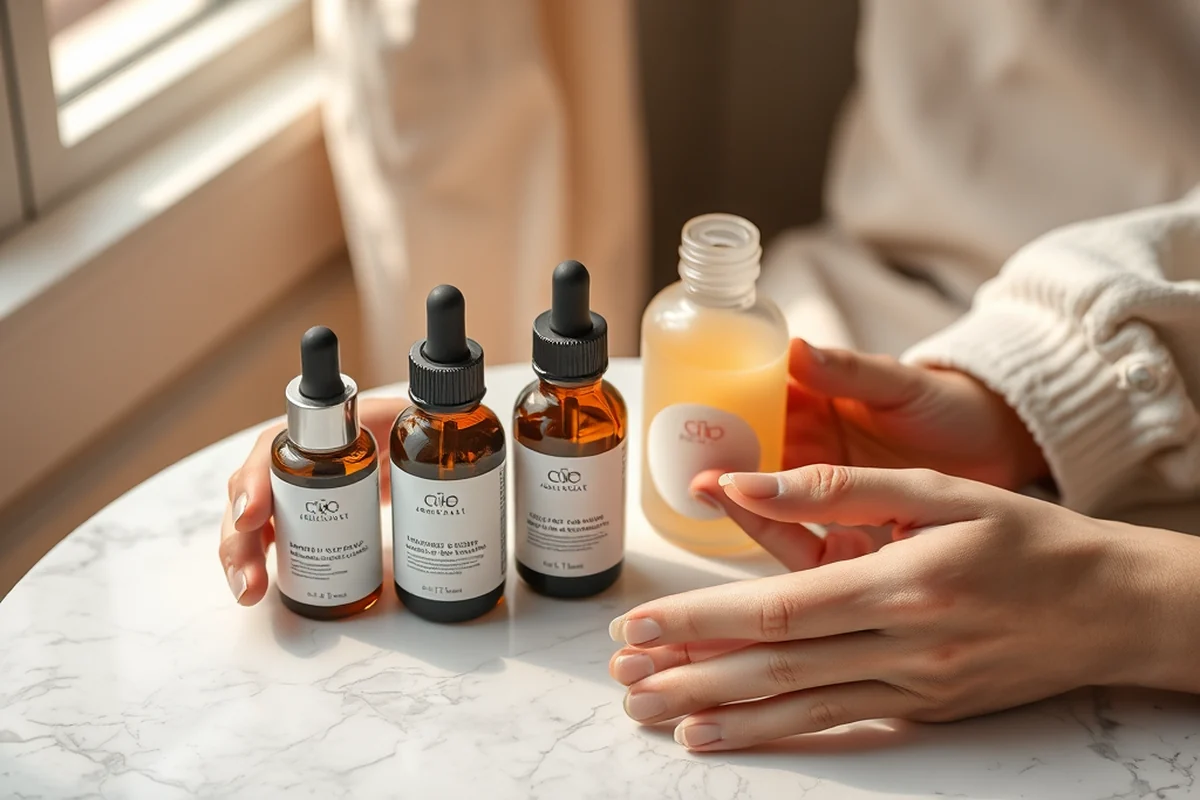
One of the most important things to remember is that essential oils should never be used in their pure form. They are highly concentrated and can cause skin irritation or respiratory discomfort if used improperly.
I always dilute my oils before diffusing, even though the diffuser itself may use a small amount. This helps ensure that the scent is not too strong and that the oil is used safely. A few drops of oil in a diffuser is usually enough to create a pleasant aroma without overwhelming the space.
It's also important to keep the diffuser away from direct sunlight and to clean it regularly to prevent the buildup of residue. I’ve found that using a diffuser for more than 30 minutes at a time can cause the air to become too saturated with oil, which can be uncomfortable for some people.[3]
Related: Best olive oil brands
The Best Oils for Diffusing: A Personal Favorite
Lavender oil is one of my all-time favorites for diffusing. It has a calming and soothing effect that makes it ideal for relaxation. I often use it in the evening to create a peaceful atmosphere in my home.
Peppermint oil is another oil I use regularly, especially in the morning. It has a refreshing and invigorating scent that helps me feel more alert and focused. I’ve noticed that using it in my workspace helps me stay productive throughout the day.
Frankincense oil is another oil that I’ve found to be particularly effective. It has a rich, woody aroma that creates a sense of calm and spiritual well-being. I use it in my meditation space to help me stay centered and grounded.
Related: Pumpkin seed oil with saw palmetto
The Benefits of Using High-Quality Oils
I’ve found that lower-quality oils often lack the depth and richness of high-quality oils. They can also be more likely to cause irritation or discomfort, especially if used in large quantities.
High-quality oils are usually more expensive, but the difference in experience is well worth the cost. They have a more natural aroma and are more effective in creating the desired atmosphere.
I’ve used both low and high-quality oils, and the difference is noticeable. High-quality oils provide a more pleasant and lasting effect, which is why I always recommend investing in good-quality oils for diffusing.[4]
You get what you pay for when it comes to essential oils.
Related: What s the best cream for eczema
How to Customize Your Diffusing Experience
One of the best things about diffusing is that it allows for a lot of customization. You can mix different oils to create a unique scent that suits your mood or the environment you’re in.
I often create custom blends by mixing oils like lavender and frankincense for a calming effect or peppermint and lemon for a refreshing and invigorating aroma. Experimenting with different combinations can lead to some surprising and pleasant results.
I’ve also found that using a diffuser with adjustable settings can help you control the intensity of the scent. This is especially useful if you’re using a more potent oil or if you want the scent to be more subtle.
🌸 Sensitive Skin
Use gentle oils like lavender or chamomile to avoid irritation and create a calming atmosphere.
💰 Budget
Opt for affordable but high-quality oils like tea tree or eucalyptus for a fresh and effective diffusing experience.
🧘 Minimalist
Stick to a single oil like frankincense or rosemary for a simple and effective routine that enhances focus and calm.
🎯 Targeted
Choose oils based on your specific needs, such as lavender for relaxation or peppermint for energy.
🔄 Maintenance
Use oils that are easy to clean and store, such as citrus or eucalyptus, to keep your diffuser in top condition.
| The mistake | Why it happens | The fix |
|---|---|---|
| Using low-quality oils in the diffuser | Low-quality oils can be harsh or cause discomfort, and they often don’t provide the same depth or richness as high-quality oils. | Invest in high-quality, pure essential oils that are labeled as 'diffuser-safe' to ensure a more pleasant and effective experience. |
| Using oils in their pure form in the diffuser | Essential oils are highly concentrated and can be harmful if used directly in the diffuser without dilution. | Always dilute the oil before using it in the diffuser, even if the manufacturer doesn’t specify it. A few drops in the water reservoir is usually enough. |
| Ignoring the safety guidelines for diffusing | Not following the safety guidelines for diffusing can lead to respiratory discomfort, skin irritation, or even damage to the diffuser. | Read the manufacturer’s instructions carefully and follow them closely. Avoid using the diffuser for too long at a time and keep it away from direct sunlight. |
| Not cleaning the diffuser regularly | Over time, residue from the oil can build up inside the diffuser, which can affect its performance and create an unpleasant smell. | Clean the diffuser regularly with water and a mild detergent to prevent the buildup of residue and keep it working properly. |
What Is The Best Oil For A Diffuser
Common Questions
Can I use essential oils in my diffuser every day?
What should I do if I accidentally use too much oil in my diffuser?
Are there any oils that are not safe to use in a diffuser?
How do I know if an oil is safe to use in a diffuser?
References
- Technical Description of an Ultrasonic Essential Oil Diffuser (andreportfolio.commons.gc.cuny.edu)
- Aromatherapy for Children: What's Safe and What's Not (chop.edu)
- Breathe Easy, Choose Fragrance Free (healthvermont.gov)
- Sweet smell of success: Simple fragrance method produces major ... (news.uci.edu)
Cite this guide
Sunscreen for Oily Skin (2026). What Is The Best Oil For A Diffuser. https://suncarewise.com/what-is-the-best-oil-for-a-diffuser/
Feel free to cite or share this guide.