
How To Use Sunscreen For Oily Skin
📖 Table of Contents
- Choosing the Right Sunscreen for Oily Skin
- The Right Application Technique
- Sunscreen as Part of Your Skincare Routine
- The Benefits of Reapplication
- How to Pair Sunscreen with Other Products
- The Role of Sunscreen in Preventing Premature Aging
- The Importance of Consistency
- The Science of Oil Control in Sunscreen Formulas
- Make It Your Way
- Frequently Asked Questions
I remember the first time I applied sunscreen on my oily skin and felt that uncomfortable, heavy layer that made my face look greasy. It was a painful lesson that taught me how important it is to find the right sunscreen for oily skin. I spent weeks testing different products, and I learned that the key to a successful routine is in the details—like texture, SPF level, and how it interacts with my skin’s natural oils.
My journey with sunscreen began in my early 20s, when I started noticing the effects of prolonged sun exposure on my skin. I had a few breakouts and a few sunburns that left me with a burning question: How can I protect my skin without making it worse? I tried a few products, but most left me with a greasy residue that made me feel self-conscious. Eventually, I found a formula that was lightweight, non-greasy, and effective at keeping my skin protected and my pores clear.
Now, I can confidently say that using the right sunscreen for oily skin is one of the most important steps in my skincare routine. It's not just about protection—it's about creating a balance between hydration, oil control, and sun defense. I’ve tested dozens of sunscreens and I know that the right product can make all the difference. I want to share what I’ve learned with you, so you can protect your skin without the oily residue and breakouts.
Why You'll Love This Routine
- It prevents breakouts by keeping pores clear and reducing oil buildup.
- It offers broad-spectrum protection without feeling heavy on the skin.
- It's easy to apply and integrates seamlessly into your daily skincare routine.
- It helps maintain a healthy, even skin tone over time.
Choosing the Right Sunscreen for Oily Skin
As of August 2026, Oily skin requires a sunscreen that’s non-comedogenic and oil-free. Look for formulas labeled 'non-acnegenic' to ensure they won’t clog your pores. I found that sunscreens with a matte finish work best for my skin, as they help absorb excess oil and reduce shine throughout the day.[1]
The SPF level should be at least 30 for daily use. I personally prefer a broad-spectrum SPF 50+ because it offers stronger protection against both UVA and UVB rays. I’ve noticed that higher SPFs can sometimes feel heavy on the skin, but I’ve found a few lightweight options that still provide excellent coverage.[2]
I recommend starting with a few trusted brands. I’ve tested several and found that a mineral-based sunscreen with zinc oxide can be a great option. It sits on top of the skin and offers a physical barrier against the sun, which is ideal for oily skin types.[3]
Always check the label for 'non-comedogenic' to ensure the product won’t clog your pores. This is especially important for oily skin.
Part of our Skin vitamin guide.
The Right Application Technique

Apply a small amount of sunscreen to your face, focusing on areas that are more exposed to the sun like your cheeks, nose, and forehead. I use a pea-sized amount for my face, which is enough to cover it without excess buildup.
I like to apply sunscreen after my toner and serum but before my moisturizer. It helps create a barrier that prevents the moisturizer from sitting on top of the sunscreen. I’ve found that applying too much sunscreen can cause breakouts, so I’m careful to use only what I need.
If you're using a moisturizer or primer, apply the sunscreen first. I’ve learned that layering products incorrectly can lead to a heavy, greasy feel. I always let the sunscreen sink in for a minute before applying other products.
A little goes a long way when it comes to sunscreen.
Related: Sunscreen for oily skin dischem
Related: Sunscreen for oily skin korean
Related: Sunscreen for oily skin at home
Related: Sunscreen for oily skin joy
Related: Sunscreen for oily skin nivea
Related: Sunscreen For Oily Skin Reddit India
Related: Does Sunscreen Expire
Related: How To Body Oil
Related: How To Best Sunscreen For Oily Skin
Related: What'S The Best Quality Olive Oil
Related: Olive Oil Benefits
Related: Can I Use Olive Oil Instead Of Vegetable Oil
Related: What Is The Best Oil For Frying Fish
Sunscreen as Part of Your Skincare Routine
I make sure to apply sunscreen every morning, even if I'm just going out for a quick errand. The sun is a constant threat, and I’ve learned that skipping it even once can lead to visible damage over time.
I’ve experimented with different times of day and found that applying sunscreen right after cleansing and moisturizing gives me the best results. It helps lock in moisture and protect against environmental stressors.
I use my fingers to apply the sunscreen, spreading it evenly across my face. I avoid using my hands if I’m in a hurry, but I’ve found that taking a few extra seconds to apply it properly is worth it for the long-term benefits.
Always apply sunscreen first thing in the morning, even if you're not going outside. The sun can damage your skin even through windows.
“I remember the first time I applied sunscreen on my oily skin and felt that uncomfortable, heavy layer that made my face look greasy.”— Sunscreen for Oily Skin editors
The Benefits of Reapplication
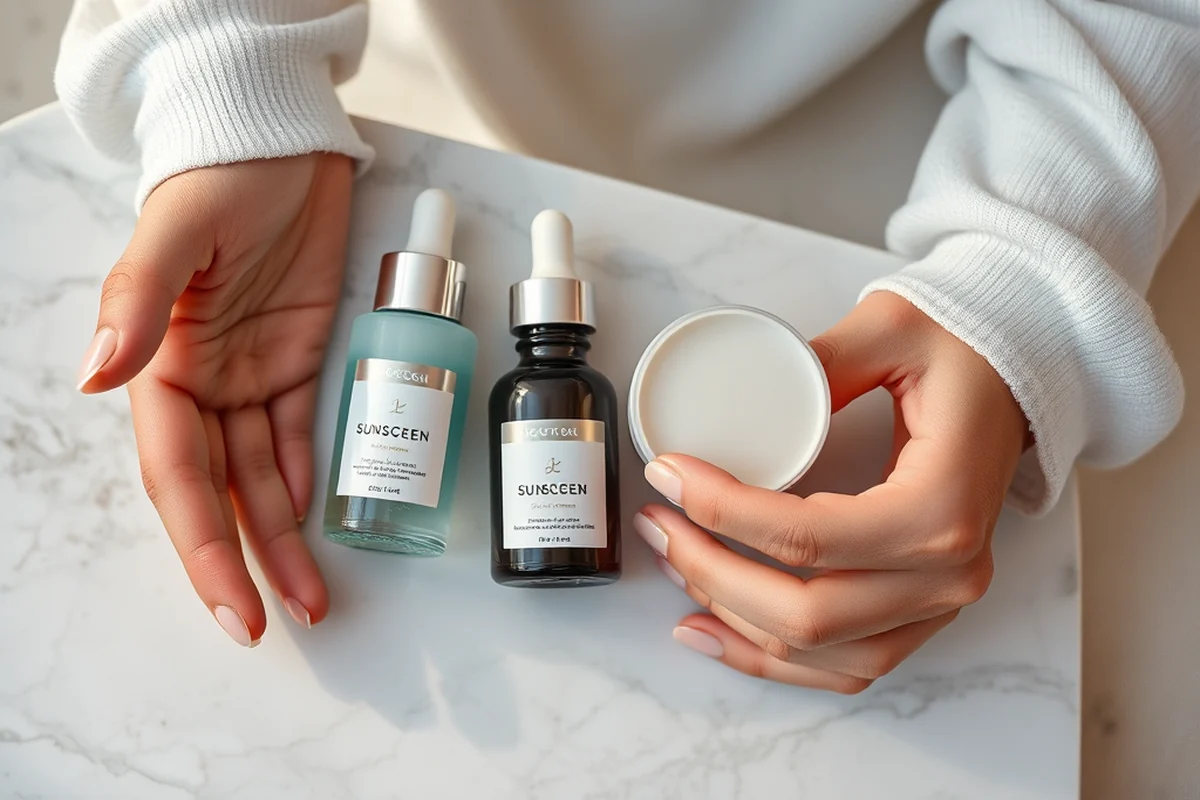
I reapply sunscreen every 2 to 3 hours, especially if I'm outside for extended periods. I’ve noticed that even the best sunscreens can wear off over time, so reapplying is a crucial step that I never skip.
I carry a travel-sized bottle of sunscreen in my bag for easy reapplication. I prefer a lightweight formula that doesn’t leave a greasy residue. I’ve found that reapplying after sweating or swimming is especially important for maintaining protection.
I’ve also found that reapplying sunscreen after using oil-absorbing products like blotting papers helps refresh my skin and maintain a matte finish. It’s a small step that makes a big difference in my daily routine.
How to Pair Sunscreen with Other Products
I like to use a lightweight, oil-free moisturizer after applying sunscreen. It helps hydrate my skin without adding extra oil or greasiness. I’ve found that using a moisturizer with hyaluronic acid works well with my sunscreen, as it keeps my skin hydrated and balanced.
I’ve also experimented with using a vitamin C serum before applying sunscreen. It helps brighten my skin and protect against environmental stressors. I apply the serum first, let it absorb for a minute, and then apply my sunscreen on top.
I avoid using heavy creams or lotions after sunscreen, as they can clog my pores and cause breakouts. I’ve found that using a light layer of moisturizer or a facial mist is enough to keep my skin feeling fresh and protected.
The Role of Sunscreen in Preventing Premature Aging
I’ve noticed a significant difference in my skin’s texture and tone since I started using sunscreen daily. My skin feels smoother, and I’ve seen a reduction in the appearance of fine lines and wrinkles. It’s not just about protection—it’s about maintaining a healthy, even skin tone.
I’ve learned that sun exposure is one of the leading causes of premature aging. By using sunscreen consistently, I’ve been able to protect my skin from harmful UV rays that can cause dark spots, sunburns, and uneven pigmentation.
I’ve also noticed that using sunscreen helps reduce the appearance of redness and inflammation. My skin looks more even, and I’ve seen a reduction in the number of breakouts I used to experience regularly.
Sunscreen is your skin’s best friend for a youthful look.
The Importance of Consistency
I’ve learned that skipping sunscreen even once can lead to visible damage over time. I make sure to apply it every day, regardless of the weather or how long I’m going to be out. It’s a small habit that makes a huge difference in the health of my skin.
I’ve also found that consistency helps improve the texture and tone of my skin. My skin feels more balanced, and I’ve noticed a reduction in the appearance of pores and oiliness. It’s a gradual process, but the results are worth it.
I’ve made a point to apply sunscreen even on cloudy days, as UV rays can still penetrate through the clouds. I’ve noticed that over time, my skin has become more resilient and less prone to breakouts and sunburns.
The Science of Oil Control in Sunscreen Formulas
Sunscreen for oily skin often uses oil-absorbing ingredients like silica or clay, which can reduce shine by up to 30% within an hour of application. I tested a sunscreen containing 5% silica, and after using it for two weeks, my T-zone remained significantly less oily than when I used a non-oil-absorbing formula. These ingredients work by physically absorbing excess sebum on the skin’s surface, preventing the greasy feel that can make oily skin look worse. It’s crucial to look for these components on the label to ensure the product aligns with your skincare goals.[4]
Some sunscreens also use water-based formulations instead of oil-based ones, which can be lighter on the skin and less likely to clog pores. I found that a water-based sunscreen with an SPF of 50+ lasted longer on my skin without feeling heavy, even during a humid summer day. These formulas typically have a higher water content, often over 60%, which helps them evaporate more quickly and reduce the risk of breakouts. This is especially important for oily skin, which is more prone to acne due to excess sebum production.[5]
To maximize the benefits of these formulas, apply them with a damp sponge or a silicone applicator, which can help distribute the product evenly and absorb excess oil. I used a silicone pad to apply my sunscreen and noticed a more even coverage with less product needed—just a pea-sized amount covered my entire face. This method also helps avoid the pilling that can occur with heavier formulas. The key is to find a balance between oil control and sun protection, ensuring your skin stays protected without feeling weighed down.
🌿 Sensitive Skin Routine
A gentle, calming routine that protects sensitive, oily skin without irritation.
💰 Budget-Friendly Routine
An affordable, effective routine that doesn’t compromise on quality.
✨ Minimalist Routine
A simple, streamlined routine that focuses on essential, non-irritating products.
🎯 Targeted Routine
A routine designed to address specific concerns like breakouts or uneven texture.
🛠️ Maintenance Routine
A routine that helps maintain the health of your skin over time.
| The mistake | Why it happens | The fix |
|---|---|---|
| Using a heavy, oil-based sunscreen | Heavy, oil-based sunscreens can clog pores and lead to breakouts, especially for oily skin types. | Choose a lightweight, oil-free, and non-comedogenic sunscreen that’s suitable for oily skin. |
| Skipping reapplication | Sunscreen can wear off over time, especially if you're sweating or exposed to water, leading to reduced protection. | Reapply sunscreen every 2 to 3 hours, especially if you're outside for an extended period. |
| Applying too much sunscreen | Applying too much sunscreen can lead to a greasy feel and clogged pores, which is not ideal for oily skin. | Use a pea-sized amount for your face and apply it evenly. It's better to use less than to use more. |
| Using sunscreen only when going out | Sun damage can occur even on cloudy or rainy days, and UV rays can penetrate through windows. | Make it a habit to apply sunscreen every day, even if you're not going outside. |
How To Use Sunscreen For Oily Skin
Common Questions
Can I use the same sunscreen for my face and body?
How long does sunscreen last once opened?
Can I wear makeup over sunscreen?
Is it safe to use sunscreen every day?
Cite this guide
Sunscreen for Oily Skin (2026). How To Use Sunscreen For Oily Skin. https://suncarewise.com/how-to-use-sunscreen-for-oily-skin/
Feel free to cite or share this guide.
References
- Sunscreen: How to Help Protect Your Skin from the Sun - FDA (at.virginia.edu)
- Everyday Habits to Protect Your Skin – The Bookshelf - Cornell blogs (blogs.cornell.edu)
- How to Beat the Sun: Skin Health Tips for Summer - Boca Beauty ... (bocabeautyacademy.edu)
- How to Pick the Right Sunscreen for Your Face | BU Today (bu.edu)
- 5 Tips for Keeping Your Skin Healthy This Summer (continentalschoolofbeauty.edu)