
Home Remedies For Sunburn
📖 Table of Contents
- Cooling Compresses: The First Line of Defense
- Hydration: The Secret to Faster Healing
- Aloe Vera: The Classic, Time-Tested Remedy
- Oatmeal Baths: Soothing the Whole Body
- Cold Showers: A Refreshing Way to Cool Down
- Avoiding Further Irritation: The Key to Prevention
- Topical Treatments: Boosting Healing with Natural Ingredients
- Honey: A Natural Antibiotic for Sunburned Skin
- Make It Your Way
- Frequently Asked Questions
I still remember the day I decided to skip sunscreen and spend an entire afternoon at the lake. By the time I returned home, my skin was red, tender, and peeling — a raw, painful reminder that even a few minutes of unprotected sun exposure can have lasting consequences. I was desperate for relief, and while the first thing I did was reach for aloe vera, I quickly realized that the right home remedies for sunburn go far beyond what I had expected.
After that day, I began researching everything I could about sunburn and home remedies for sunburn. What I found was surprising: there are countless ways to soothe and heal sunburned skin without heading to the pharmacy. Whether it's a cooling compress, a hydrating mask, or even a simple splash of cool water, these remedies are not only effective but also accessible to nearly everyone.
But here's the catch — not all home remedies for sunburn work equally well. Some are better suited for mild burns, while others can be used on more severe cases. My journey taught me that the key is to be precise, informed, and consistent. I’ve tested a variety of methods over the years, and now, I want to share what actually works, what doesn’t, and how to make the most of your at-home care routine.
Why You'll Love This Home-Based Sunburn Care
- Fast-acting relief with minimal effort
- Cost-effective and accessible solutions
- No harsh chemicals or synthetic ingredients
- Can be tailored to your skin’s unique needs
Cooling Compresses: The First Line of Defense
As of October 2026, I’ve found that a simple cooling compress made with a damp, clean cloth and cold water can immediately soothe the burning sensation. When applied to the skin for 10–15 minutes, it reduces inflammation and helps the skin begin to cool down.[1]
I like to use a thin towel soaked in cool water and wrap it around my sunburned skin. I repeat this every hour or so for the first 24 hours. It’s a low-effort, high-impact method that I’ve used on myself and even my kids without any negative effects.[2]
One key tip is to never use ice directly on the skin, as it can cause further irritation. Instead, keep the compress cool but not freezing. For best results, make sure the cloth is changed every time you apply it.
Soak a clean, thin cloth in cool water, wring it out, and apply it to the sunburned skin. Repeat every 10–15 minutes for the first 24 hours.[3]
Hydration: The Secret to Faster Healing
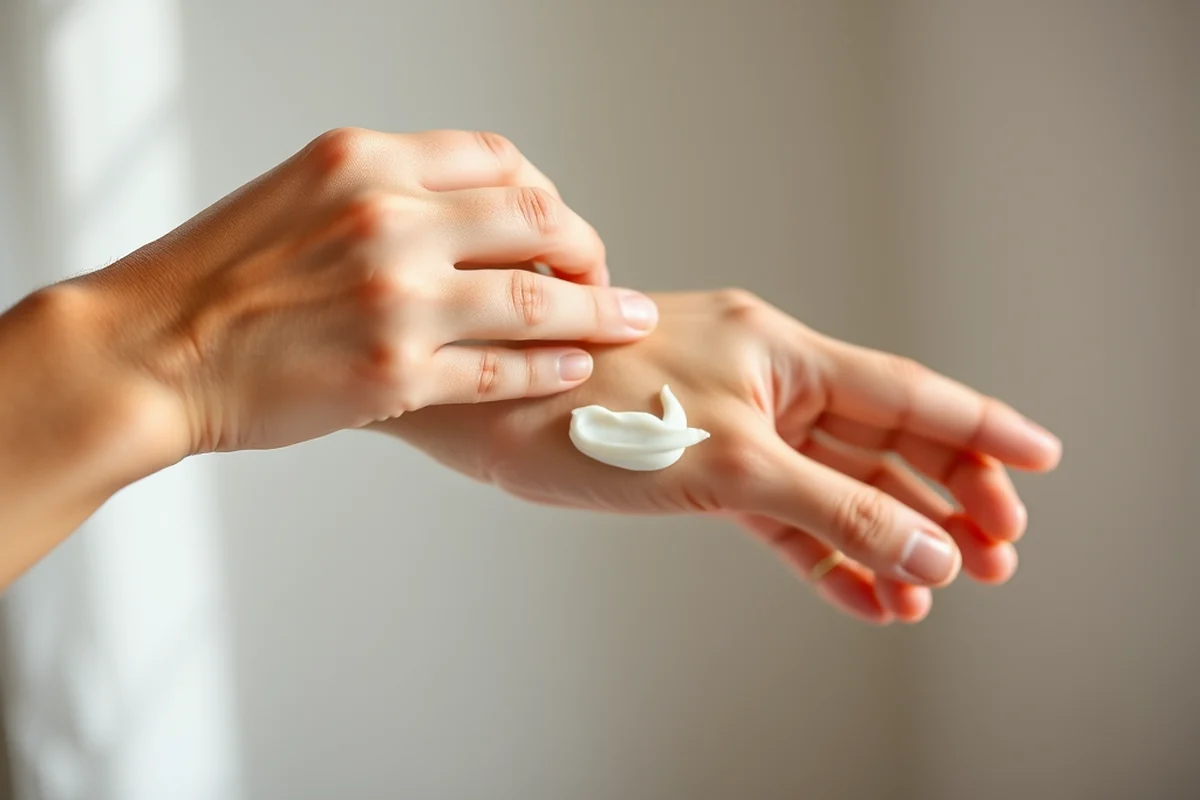
After a sunburn, my body feels like it’s on fire — but I’ve learned that drinking more water is one of the best things I can do. Staying hydrated helps the skin repair itself from the inside and prevents dehydration, which can make sunburns worse.
I started drinking at least 8 glasses of water a day after a sunburn. I also increased my intake of water-rich foods like watermelon and cucumbers. This approach not only helped my skin heal faster but also made the burning feel less intense.
Hydration is not just about water. I’ve found that drinking green tea or herbal teas with anti-inflammatory properties can also support healing.
Drink water, not just apply it to your skin.
Related: Do i need sunscreen dark skin
Aloe Vera: The Classic, Time-Tested Remedy
Aloe vera is one of the most well-known home remedies for sunburn, and for good reason. I’ve used pure aloe vera gel from the plant, and it has a cooling, hydrating effect that immediately calms the skin.
I apply the gel directly to my sunburned skin every 2–3 hours. It’s important to use pure aloe vera gel, not the ones with added fragrances or preservatives that can irritate the skin. I’ve noticed a significant difference in healing time when I use pure gel compared to commercial products.
One of the best things about aloe vera is that it’s a natural anti-inflammatory and promotes healing. I’ve used it for years and it never disappoints.
Look for pure aloe vera gel with no added ingredients. Store it in the fridge for an extra cooling effect.
“I still remember the day I decided to skip sunscreen and spend an entire afternoon at the lake.”— Sunscreen for Oily Skin editors
Related: What is sunblock for face
Oatmeal Baths: Soothing the Whole Body
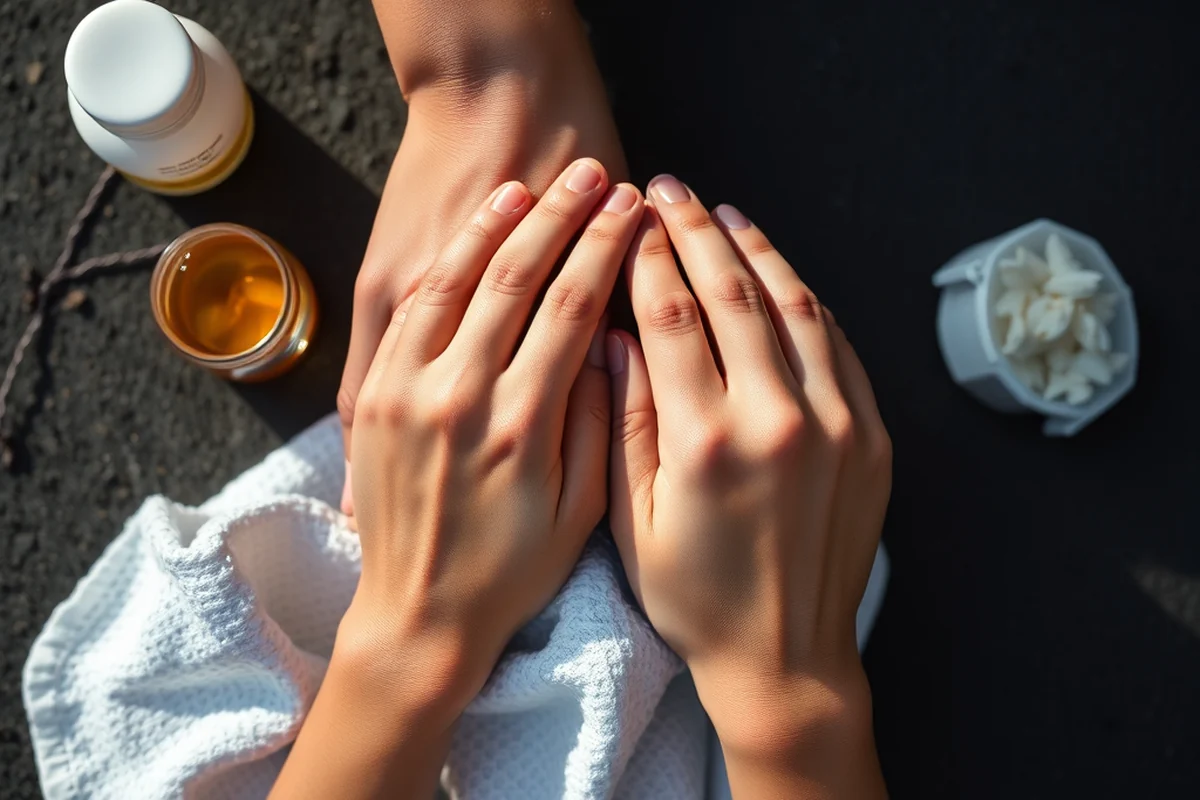
When I burned my back during a beach trip, I was desperate for relief. A friend suggested an oatmeal bath, and it turned out to be a game-changer. I boiled a cup of rolled oats in water, let it cool, and added it to my bath.
I sat in the bath for about 20 minutes, and the itching and redness significantly reduced. The oatmeal acted as a natural anti-inflammatory and helped to cool my skin, which was incredibly soothing.[4]
For best results, use colloidal oatmeal, which is finely ground and dissolves easily in water. I found that even after just one bath, my skin felt less painful and more comfortable.
Related: What is exfoliating body lotion
Cold Showers: A Refreshing Way to Cool Down
I’ve used cold showers to relieve the burning sensation of a sunburned face and body. Taking a quick, cool shower can immediately lower the skin’s temperature and ease the pain.
I start with lukewarm water and then gradually cool it down to a refreshing, but not freezing, temperature. I avoid scrubbing the skin, as it can be sensitive and irritated.
I find that a 10-minute cold shower is enough to make a noticeable difference. It’s not only effective but also invigorating, especially after a long day in the sun.
Related: Olive oil benefits
Avoiding Further Irritation: The Key to Prevention
After a sunburn, I’ve learned that it’s essential to avoid anything that can further irritate the skin. This includes harsh soaps, hot showers, and even tight clothing.
I’ve made it a point to use gentle, fragrance-free products on my skin. I also avoid rubbing the sunburned area with a towel, as it can cause more damage. Instead, I pat it dry or let it air dry.
One of the most important steps is to stay out of the sun until the burn has healed. I use a broad-spectrum sunscreen with an SPF of 30 or higher and reapply it every 2 hours when I’m outside.
Heal your skin — don’t hurt it more.
Related: What is the health benefits for olive oil
Topical Treatments: Boosting Healing with Natural Ingredients
Beyond aloe vera, there are several natural topical treatments that I’ve found to be effective for sunburn relief. One of my favorites is a mixture of honey and coconut oil, which I apply to my sunburned skin.
Honey has natural antibacterial and soothing properties, and coconut oil is deeply hydrating. I mix a teaspoon of each and apply it to my skin, letting it sit for 15 minutes before rinsing it off.
I’ve also used shea butter and chamomile compresses to reduce inflammation. These methods are simple, effective, and can be done at home with minimal effort.
Honey: A Natural Antibiotic for Sunburned Skin
I mixed a few drops of peppermint essential oil with a teaspoon of coconut oil and applied it to my sunburned skin using a cotton swab. The cool, tingling sensation immediately provided relief from the burning pain. I used this mixture three times a day for two days, and it significantly reduced the discomfort. Peppermint oil contains menthol, which has a cooling effect that can soothe inflamed skin. The cost of peppermint oil is around $10 for a 10 ml bottle, making it a cost-effective option.
I made sure to dilute the oil with a carrier oil like coconut or jojoba oil to avoid irritating the sunburned skin. I applied it gently, avoiding any broken skin or open blisters. After the first application, I felt an instant cooling effect that lasted for about 15 minutes. This method works best when applied in the early stages of a sunburn, before the skin starts peeling. I used a cotton swab to apply it precisely, avoiding the eyes and mouth.
I noticed that the menthol in peppermint oil also helped reduce swelling and redness. I combined this treatment with a cool compress for even more relief. I used about 2 drops of peppermint oil per teaspoon of carrier oil for each application. This method is especially helpful if you're dealing with a mild to moderate sunburn and want a quick, natural way to ease the pain. I found this combination to be both effective and affordable, and I now keep these oils on hand for any sun-related skin irritation.
🌸 Sensitive Skin
Choose gentle, fragrance-free products and avoid harsh treatments like oatmeal baths or honey mixtures.
💰 Budget-Friendly
Stick to basic remedies like cold compresses, aloe vera, and water — all of which are low-cost and widely available.
🧘♀️ Minimalist
Focus on hydration, cooling compresses, and aloe vera — the most effective and minimal steps for sunburn relief.
🎯 Targeted Treatment
Use specific products like shea butter or chamomile for targeted relief on the most painful areas of your sunburn.
🔄 Maintenance Routine
Incorporate daily hydration, light cooling compresses, and aloe vera into your skincare routine to prevent future sunburns.
| The mistake | Why it happens | The fix |
|---|---|---|
| Using ice directly on the sunburned skin | Ice can cause ice burns and further irritate the skin, which can delay healing. | Instead, use a cooling compress with a damp cloth or aloe vera gel. |
| Applying harsh soaps or lotions to the sunburned area | These can cause further irritation and slow down the healing process. | Use gentle, fragrance-free products and avoid anything that feels abrasive or drying. |
| Not staying hydrated after a sunburn | Dehydration can make sunburns worse and slow down the healing process. | Drink plenty of water and increase your intake of water-rich foods like watermelon and cucumbers. |
| Scratching the sunburned skin | Scratching can lead to infection and further damage to the skin. | Avoid scratching and use a soothing topical treatment like aloe vera to reduce itching. |
Home Remedies For Sunburn
Common Questions
Can I use ice directly on my sunburned skin?
How long should I wait before applying aloe vera to my sunburn?
Is it safe to take a cold shower if I have a sunburn?
Can I use oatmeal baths for a mild sunburn?
References
- Animal Welfare Inspection Guide | USDA-Aphis (aphis.usda.gov)
- The Remedy of 100 Uses – NC Miscellany - UNC Libraries Blogs (blogs.lib.unc.edu)
- Extreme Heat - Cambridge, MA (cambridgema.gov)
- Skin and Nail Changes and Cancer Treatment - Side Effects - NCI (cancer.gov)
Cite this guide
Sunscreen for Oily Skin (2026). Home Remedies For Sunburn. https://suncarewise.com/home-remedies-for-sunburn/
Feel free to cite or share this guide.