
What Is Hot Oil Treatment
📖 Table of Contents
- What Exactly Is a Hot Oil Treatment?
- The Science Behind Hot Oil Treatments
- How Often Should You Use a Hot Oil Treatment?
- The Benefits of a Hot Oil Treatment
- How to Perform a Hot Oil Treatment at Home
- Choosing the Right Oil for Your Hair
- The Cost of a Hot Oil Treatment
- Make It Your Way
- Frequently Asked Questions
I remember the first time I tried a hot oil treatment on my hair, I was skeptical. I had long, dry, frizzy hair that never seemed to cooperate, no matter how much I conditioned or used expensive serums. But after applying a heated oil blend and wrapping my hair in a towel, something shifted. My hair felt softer, more manageable, and I saw a noticeable difference after just one session. That was the moment I realized hot oil treatments weren’t just a gimmick — they were a game-changer for my hair’s health.
What is a hot oil treatment, you might ask? It’s a process where warmed oil is applied to the hair, typically left on for a period of time before being rinsed out. This technique has roots in ancient beauty rituals, and it’s gained popularity again in recent years due to its ability to deeply nourish and repair hair. I’ve tried so many treatments over the years, but the ones that truly worked were the ones that used heat to open up the hair cuticle and allow the oil to penetrate deeply.
As someone who has battled with dry, brittle hair for years, I can confidently say that hot oil treatments are one of the most effective ways to restore moisture and strength. I’ve spent hours researching and experimenting with different oils, temperatures, and application methods, and I’ve learned that the right approach can make all the difference. Whether you're looking to revive your hair’s luster or simply want a more manageable routine, understanding what a hot oil treatment is and how it works is the first step.
Why You'll Love This Hair Treatment
- Deeply nourishes and hydrates dry or damaged hair
- Enhances shine and reduces frizz
- Improves hair texture and manageability
- Can be customized with different oils for specific needs
What Exactly Is a Hot Oil Treatment?
As of October 2026, a hot oil treatment is more than just a quick fix — it's a form of deep conditioning that involves applying warmed oil to the hair. This oil is typically left on for 15 to 30 minutes before being rinsed out. The heat helps open the hair cuticle, allowing the oil to penetrate the hair shaft and deliver intense hydration.[1]
I first tried a hot oil treatment after a disastrous DIY blowout that left my hair looking lifeless. I used a commercial product and followed the instructions, which included heating the oil in a microwave. After applying it, I wrapped my hair in a towel for 30 minutes and then rinsed it out. My hair was softer and more manageable the next day, and it felt like I had visited a salon.
This method has been used for centuries, with ancient Egyptians using castor oil to treat their hair. Modern treatments use a variety of oils, such as argan, coconut, and jojoba, each with its own set of benefits. The key is to find the right temperature and oil that works for your hair type.
If your hair is fine or prone to greasiness, opt for lighter oils like jojoba or grapeseed. For thicker or coarser hair, heavier oils like argan or coconut can provide more intense hydration.
The Science Behind Hot Oil Treatments
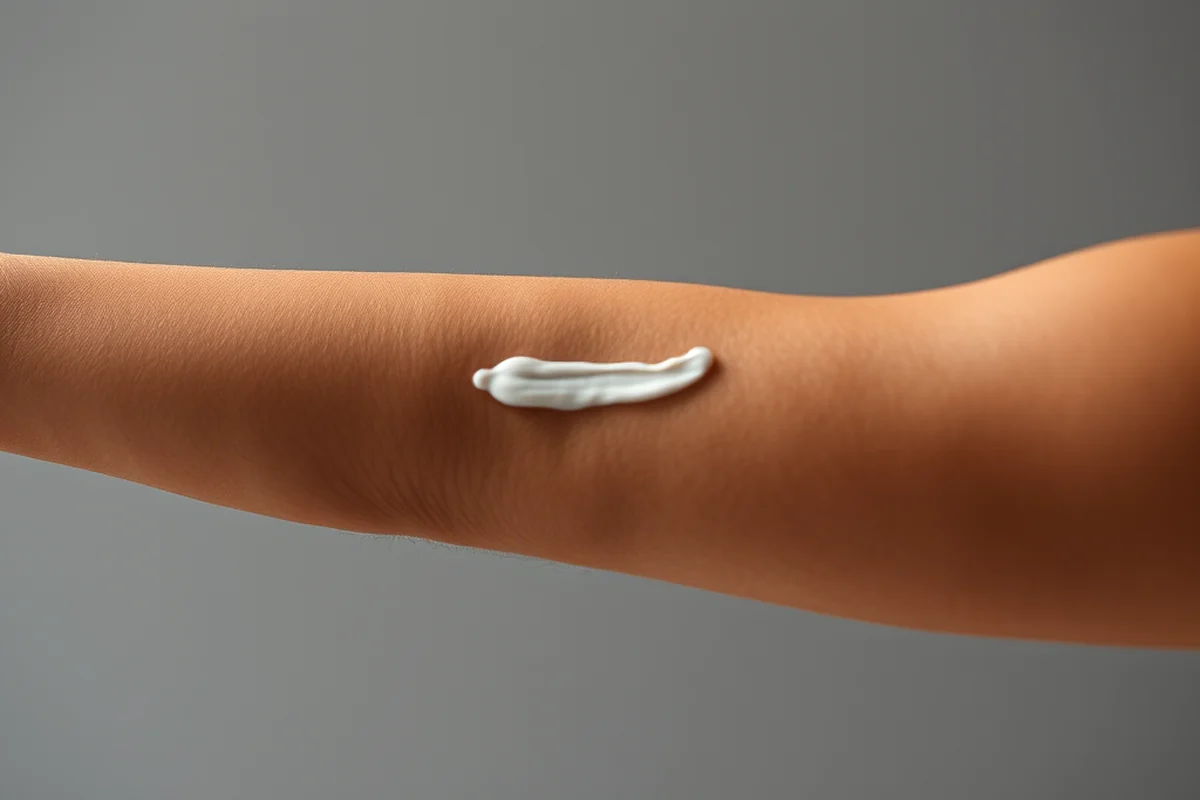
The science behind hot oil treatments lies in the way the heat affects the hair's structure. When the oil is warmed, it becomes more fluid and can easily penetrate the hair cuticle, which is the outer layer of the hair shaft. This allows the oil to deliver moisture to the inner layers of the hair, where it's needed most.
I’ve learned that the optimal temperature for applying oil is around 100 degrees Fahrenheit. Too hot, and you risk damaging the hair; too cool, and the oil won’t penetrate effectively. I’ve tested this with a hair thermometer, and it’s made a big difference in the results I see.
This process not only helps to restore moisture but also strengthens the hair from the inside out. For people with chemically treated or heat-damaged hair, this can be a lifesaver, as it helps to repair the damage caused by styling tools and harsh chemicals.
Heat is the key to unlocking the hair’s hidden potential.
Related: What is in shower lotion
How Often Should You Use a Hot Oil Treatment?
The frequency of hot oil treatments can vary depending on your hair’s needs. If you have very dry or damaged hair, you might benefit from using it once a week. However, if your hair is naturally oily or you're concerned about greasiness, once a month may be sufficient.
I’ve found that using a hot oil treatment once a week has been the most effective for my hair. I started with a commercial product, but now I use a blend of argan and coconut oil, which I warm up and apply every Sunday. This has helped me maintain a healthy, shiny look throughout the week.
It’s also important to note that overusing hot oil treatments can lead to buildup and make your hair look greasy. If you're unsure about how often to use it, start with once a month and adjust based on how your hair responds.
If your hair feels greasy or weighed down after a treatment, reduce the frequency. If it still feels dry, you may need to use it more often.
“I remember the first time I tried a hot oil treatment on my hair, I was skeptical.”— Sunscreen for Oily Skin editors
Related: Cream of tartar substitute
The Benefits of a Hot Oil Treatment
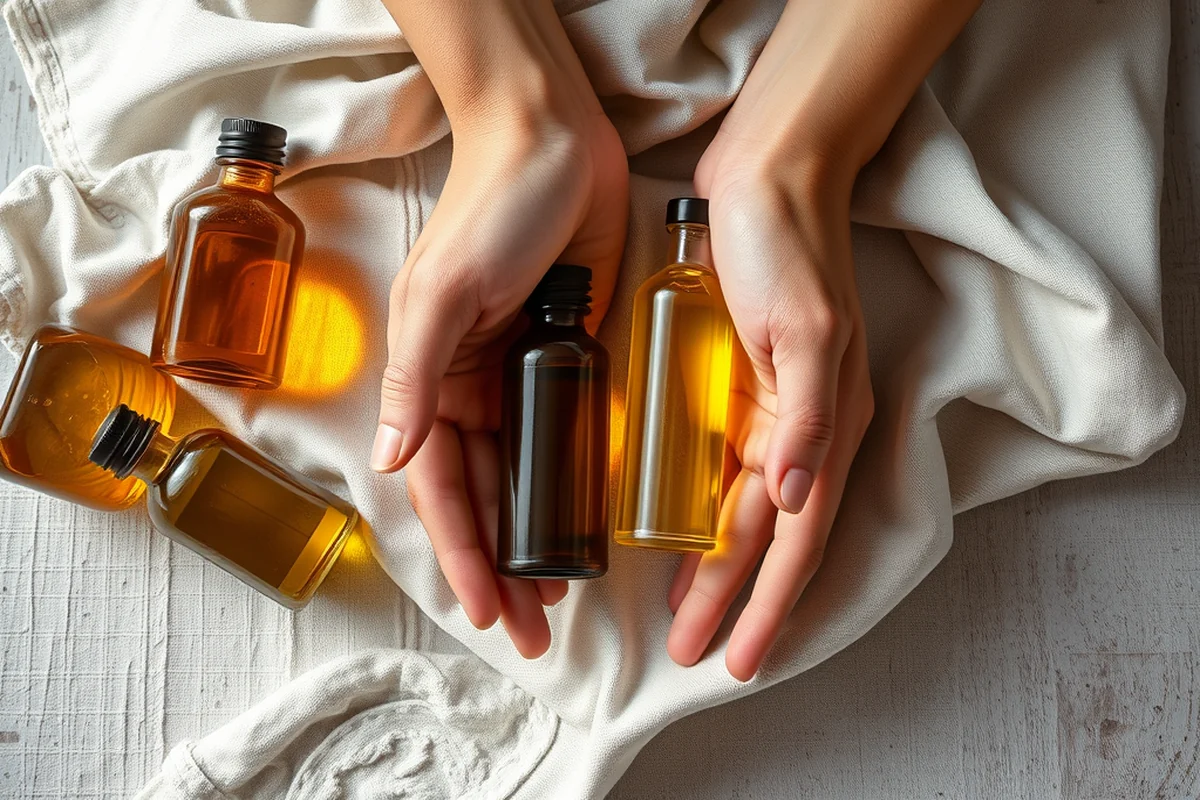
One of the biggest benefits of a hot oil treatment is the improvement in shine and manageability. My hair has always been prone to frizz, especially in the winter when the air is dry. After my first hot oil treatment, I noticed a significant reduction in frizz and a much smoother texture.
Another benefit is the deep hydration that comes from the oil penetrating the hair shaft. I used to have to use multiple conditioners to get my hair to feel soft, but after a few hot oil treatments, I found that my hair felt softer with just a regular conditioner.
Also, hot oil treatments can help to strengthen hair over time. I’ve noticed that my hair is less prone to breakage and split ends now that I’ve been incorporating this into my routine. It's also helped reduce the amount of time I spend styling my hair, as it’s more manageable and less frizzy.
Related: Goda body oil reviews
How to Perform a Hot Oil Treatment at Home
To perform a hot oil treatment at home, you’ll need a few simple ingredients and tools. I typically use a commercial hot oil treatment product, but I’ve also experimented with blending oils like argan, coconut, and jojoba. The process involves warming the oil, applying it to the hair, and then leaving it on for a period of time before rinsing it out.
I’ve found that using a hair thermometer to heat the oil to around 100 degrees Fahrenheit is the most effective method. I apply the oil from the roots to the ends, making sure to cover all areas of the hair. Then I wrap my hair in a towel and leave it on for 15 to 30 minutes.[2]
After the time is up, I rinse the oil out with warm water, followed by a cool rinse to seal the cuticle. I then follow up with a regular conditioner and style my hair as usual. This process takes about 30 to 45 minutes, but the results are well worth the time.
Related: What is castor oil for skin
Choosing the Right Oil for Your Hair
Choosing the right oil for your hot oil treatment is essential for achieving the best results. I’ve experimented with a variety of oils, including argan, coconut, jojoba, and even almond oil, and each one has a slightly different effect on my hair.
I’ve found that argan oil works best for my hair because it’s lightweight and provides a good balance of hydration without weighing my hair down. Coconut oil is great for adding moisture but can be too heavy for fine hair. Jojoba oil is similar to the natural oils produced by the scalp, making it a good choice for all hair types.
It’s also important to consider the consistency of the oil. Thicker oils can be more effective for deeply conditioning, while lighter oils are better for managing frizz. I’ve found that using a blend of oils can provide the best of both worlds, giving my hair the hydration it needs without making it look greasy.
The right oil can transform your hair, but the wrong one can leave it looking lifeless.
The Cost of a Hot Oil Treatment
The cost of a hot oil treatment depends on whether you choose a commercial product or make your own. I’ve used a few different brands, and the price ranges from $15 to $50 per bottle. However, if you prefer to make your own, you can use a blend of oils that cost around $10 for a month’s worth of treatments.
I found that using a commercial product is more convenient, as it’s formulated specifically for hot oil treatments. These products are usually more expensive but have the benefit of being ready to use right out of the bottle. If you’re making your own, it’s important to invest in a good quality oil to get the best results.
On average, I spend around $28 per month on hot oil treatments, which includes the cost of the oil and any additional products like conditioners or shampoos. This is a relatively small investment for the results I see, and I believe it’s well worth the cost.
🧖♀️ Sensitive Skin Routine
A gentle approach using hypoallergenic oils and lower temperatures to avoid irritation.
💰 Budget-Friendly Routine
A cost-effective method using affordable oils and household items to achieve great results.
🧘 Minimalist Routine
A simplified version with just one oil and minimal steps for those with limited time.
🎯 Targeted Routine
A customized approach that focuses on specific areas of the hair that need the most attention.
🔄 Maintenance Routine
A regular treatment that helps maintain hair health and prevent damage over time.
| The mistake | Why it happens | The fix |
|---|---|---|
| Using too hot oil | Using oil that's too hot can damage the hair and cause it to become dry or brittle. | Always heat the oil to a safe temperature (around 100 degrees Fahrenheit) before applying it to your hair. |
| Not rinsing the oil out properly | Leaving the oil on for too long or not rinsing it out thoroughly can lead to buildup and make the hair look greasy. | Rinse the oil out with warm water, followed by a cool rinse to seal the cuticle. |
| Using the wrong type of oil | Using an oil that's not suitable for your hair type can lead to dryness, buildup, or even damage. | Choose an oil that's appropriate for your hair type, such as argan oil for most hair types or coconut oil for dry or coarse hair. |
| Using the oil on the scalp too frequently | Overusing the oil on the scalp can lead to greasiness and may cause breakouts or irritation. | Limit the use of hot oil treatments on the scalp to once a month, or use a smaller amount of oil to avoid buildup. |
What Is Hot Oil Treatment
Common Questions
Can I use any oil for a hot oil treatment?
How long should I leave the oil on my hair?
Can I use a hot oil treatment on colored hair?
Is it safe to use a hot oil treatment every week?
References
Cite this guide
Sunscreen for Oily Skin (2026). What Is Hot Oil Treatment. https://suncarewise.com/what-is-hot-oil-treatment/
Feel free to cite or share this guide.